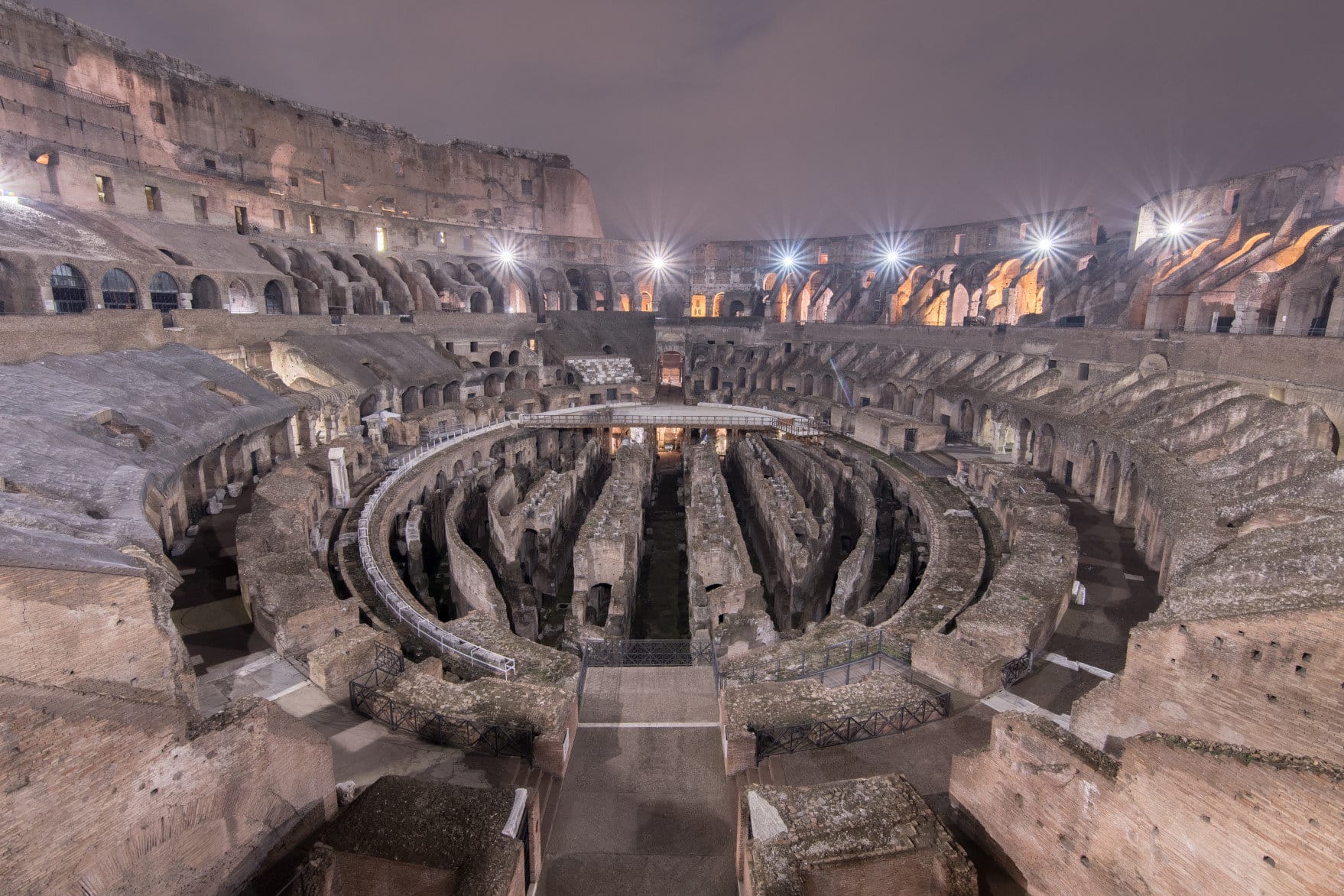
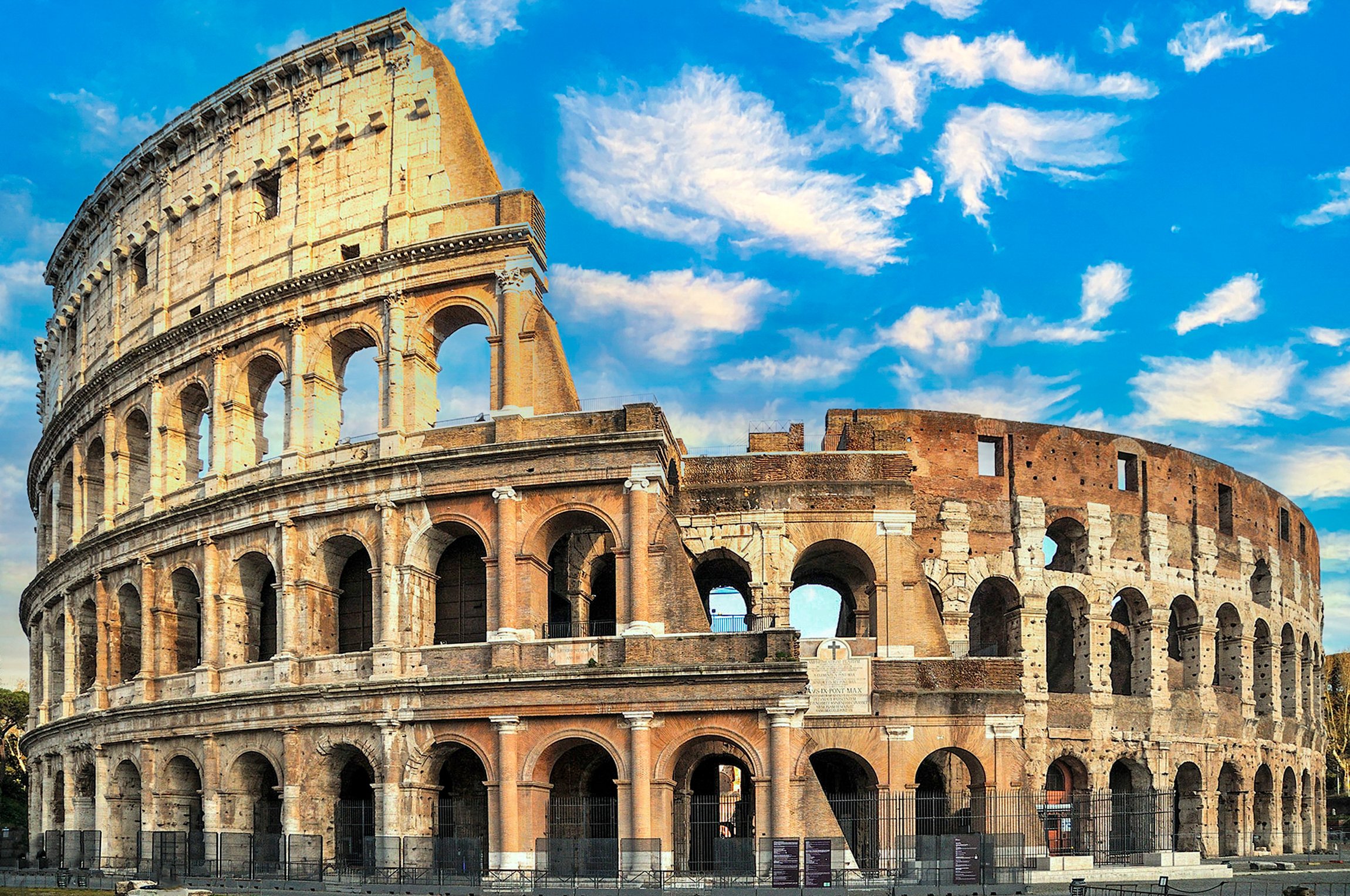
Beneath the Colosseum lies a second amphitheatre, one built entirely of shadow.
Read moreShow less
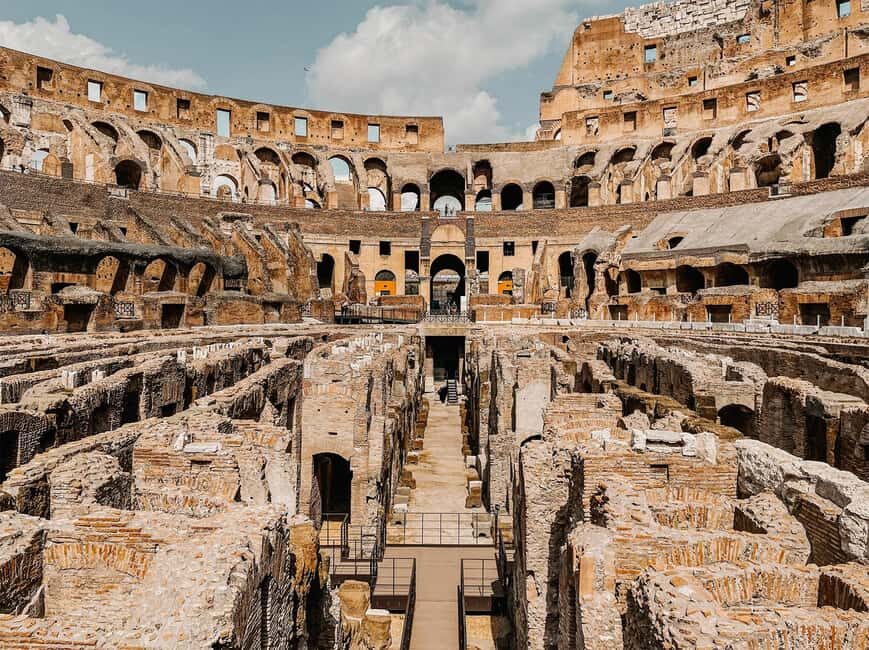
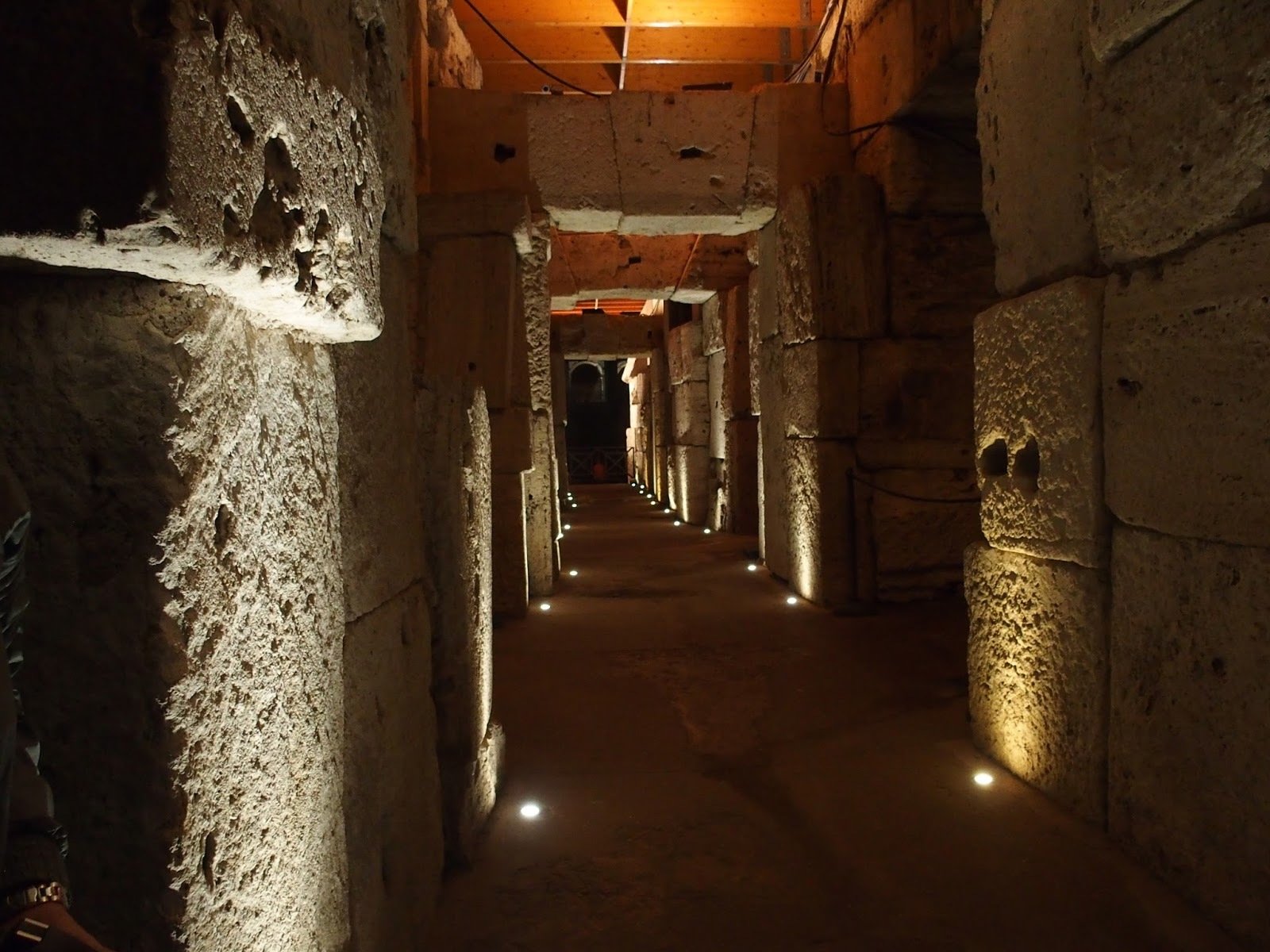
When the wooden arena floor was in place, none of the eighty thousand spectators above could see the two-story hypogeum below their feet — a warren of thirty-two animal lifts, winch rooms, and holding corridors that fed the spectacle from underneath. Colosseum Underground Tickets grant entry to precisely this concealed engine, the part of the monument that stayed sealed to visitors for the better part of a century.
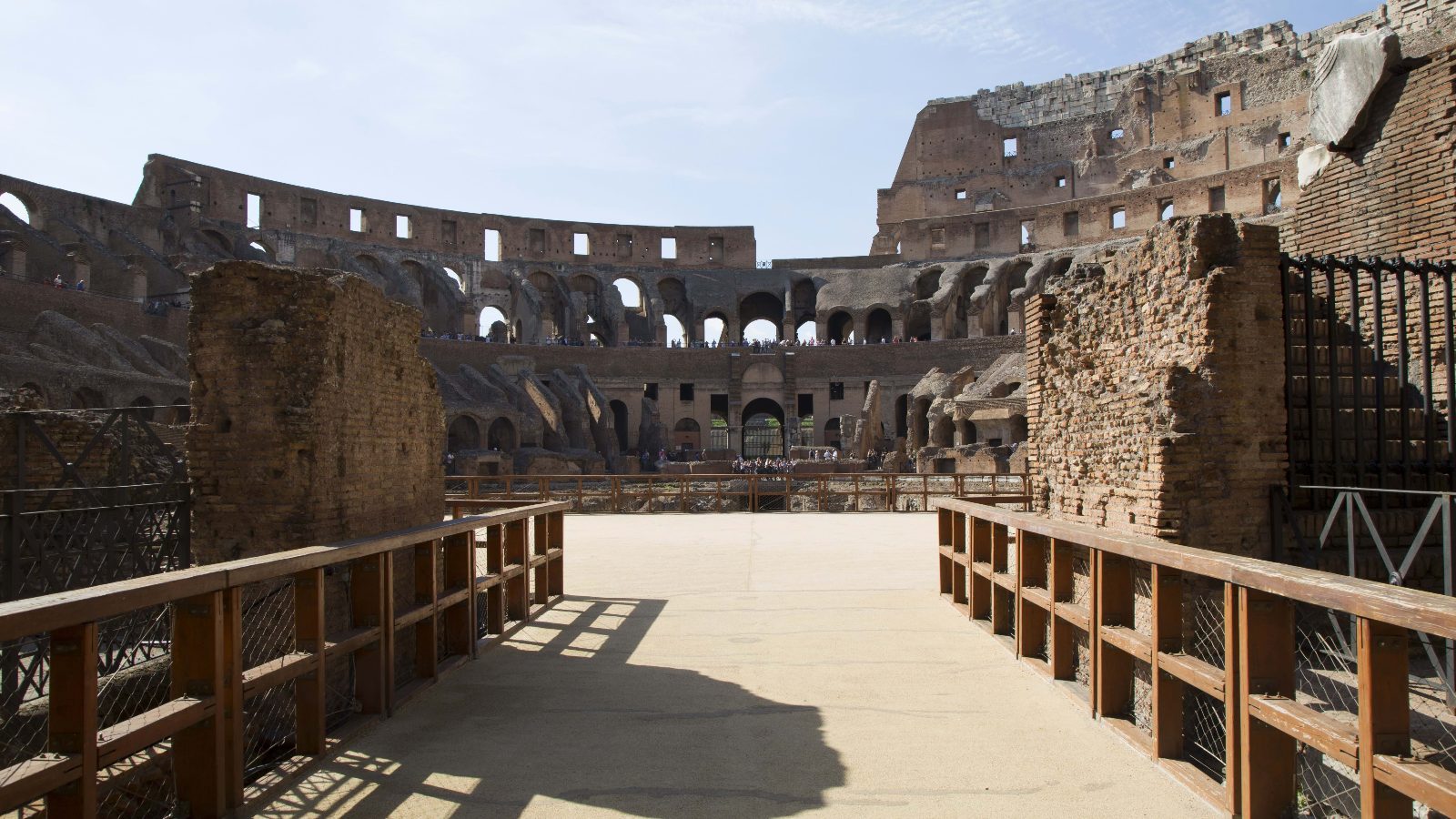
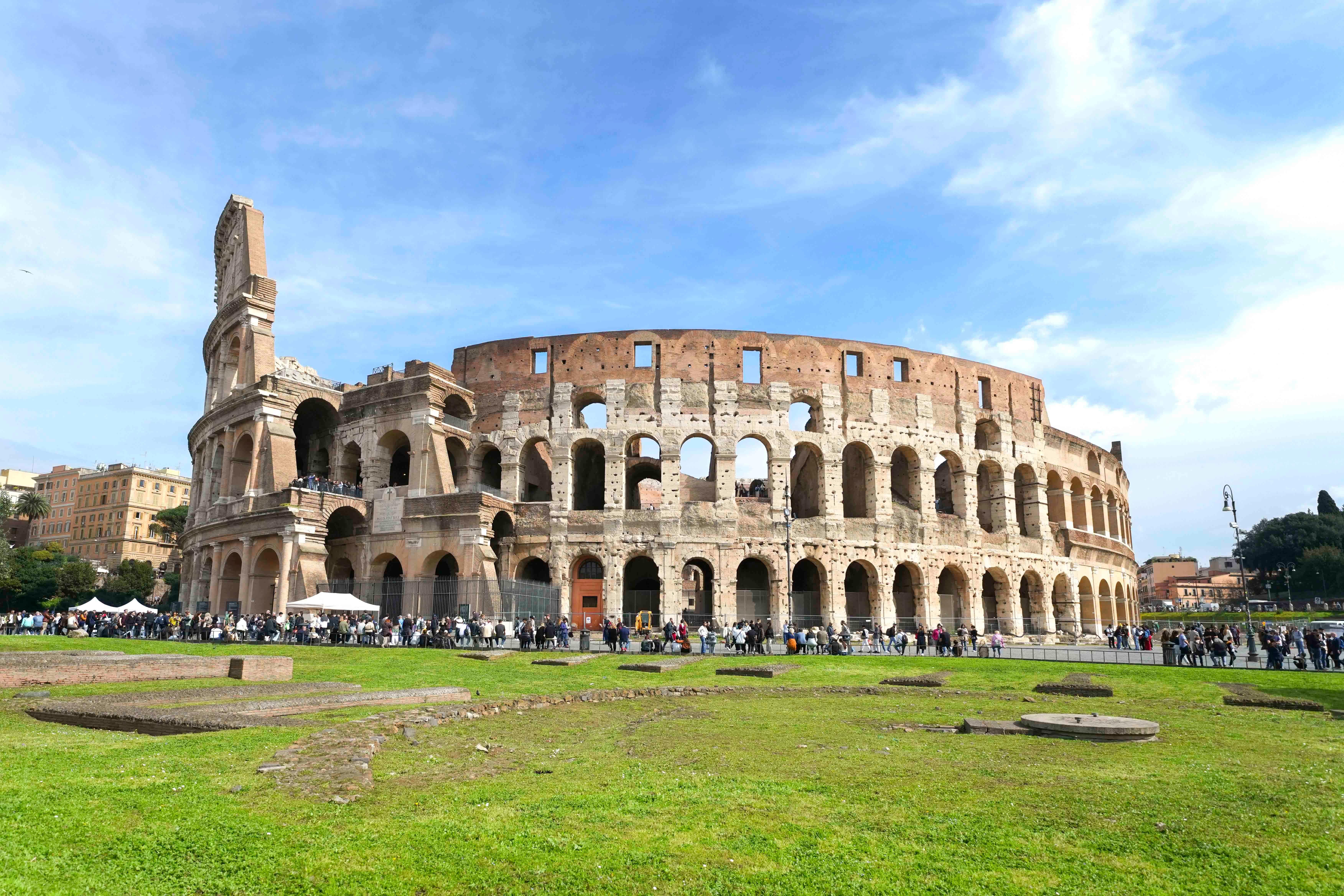
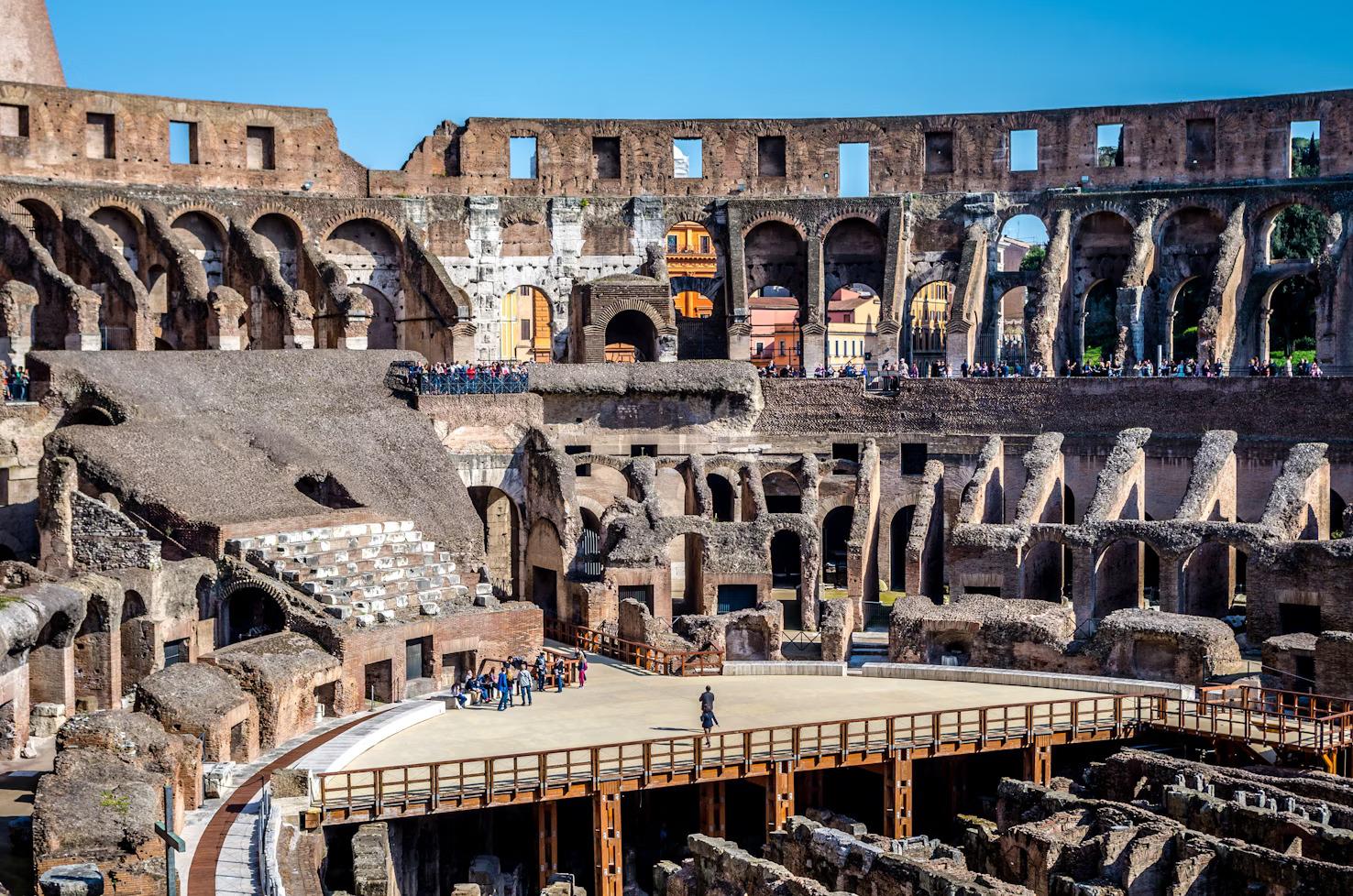
What shaped this place was ambition made physical. The Flavian emperors raised the amphitheatre on the drained lake of Nero's palace, and the substructures were added under Domitian to industrialize the games. Rome today has grown around these bones. The city of 2.8 million spreads outward from the archaeological heart, yet the ancient core remains legible: the travertine shell, the excavated tunnels, the arena reconstructed in sections so that a modern visitor can stand where combatants once emerged into blinding daylight.
The underground does not stand alone. It connects, by geography and by ticket, to the reconstructed Arena Floor directly overhead, and beyond the amphitheatre to the Roman Forum and Palatine Hill, where senators argued and emperors lived. A private tour reads the passages slowly, corridor by corridor. A night tour empties them of crowds and lets the brick breathe in low light. Each route tells the same structure differently, and together they map the machinery of an entire civilization's entertainment. Booking Colosseum Underground Tickets tours in advance is essential, because access is timed and capped by the authorities who steward the site.
This is a destination for the deliberate traveler rather than the box-ticker. The subterranean level rewards those who want to understand mechanism — how a beast rose from darkness on a counterweighted lift, how a gladiator's route was choreographed toward a specific gate. The reconstructed platform above offers the counterpoint: the vantage of the fighter looking up at the tiers. A Colosseum Underground Tickets tour therefore works best for anyone already invested in antiquity, in Roman engineering, in the long argument the city has with its own past.
Standing in the hypogeum, one senses that the ruins are not silent so much as paused. The lift shafts are empty, the cages gone, the sand long swept away. Yet the geometry survives, and with a Colosseum Underground Tickets tour the geometry becomes narrative. Rome offers many landmarks, but few let a visitor descend into the working underside of history. This is the rare one that does, and it remains among the most compelling things to do in the ancient city.
“Beneath the Colosseum lies a second amphitheatre, one built entirely of shadow.”
Beneath the Arena
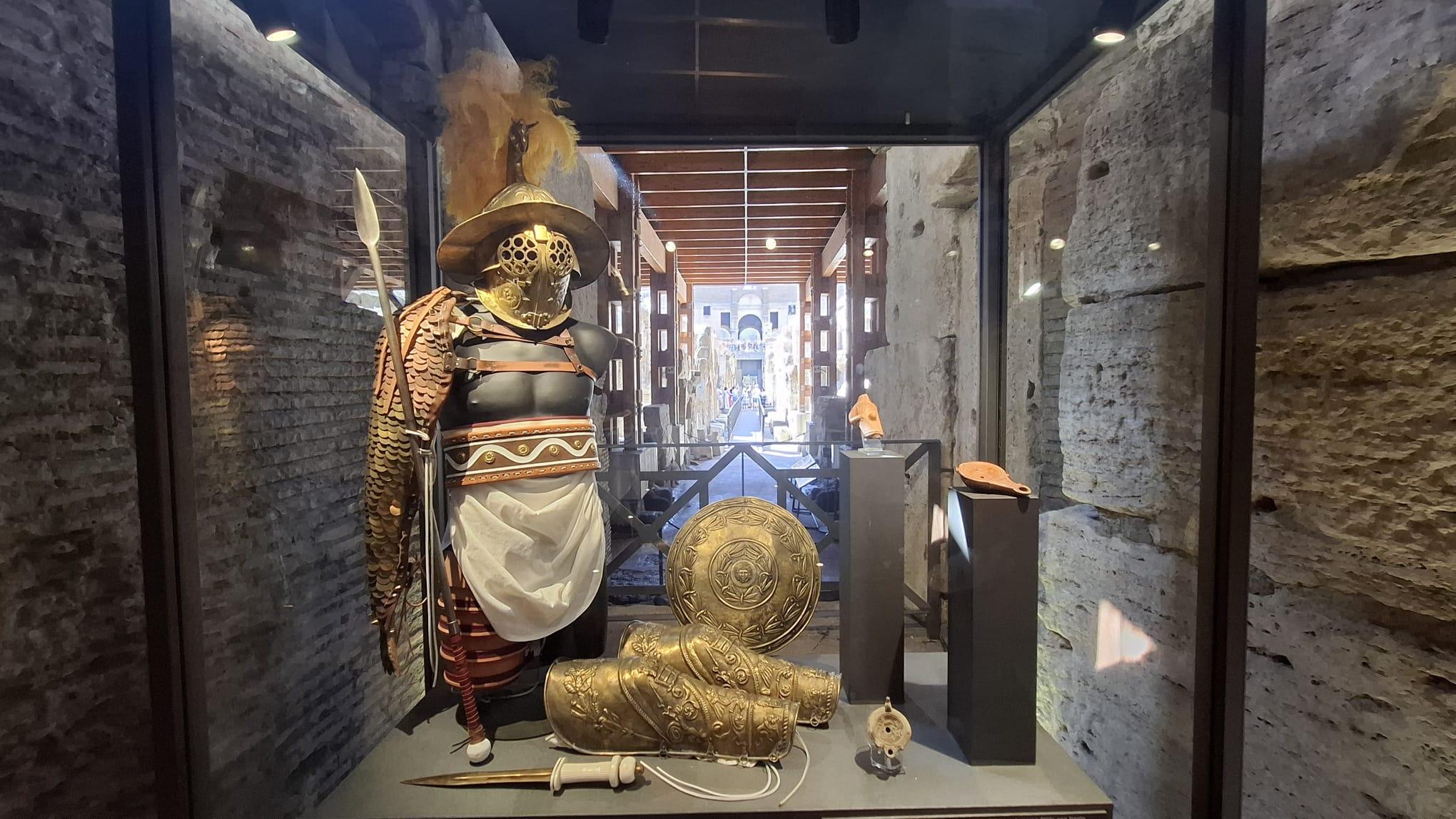
Walk the hypogeum tunnels where gladiators and wild animals were held before entering the arena above.
Arena Floor Access
Stand on the reconstructed wooden platform for the gladiator's-eye view across the amphitheatre.
Timed, Limited Entry
Restricted access means smaller groups and a closer look than the standard Colosseum circuit allows.
Most popular
Top attractions in Colosseum Underground
Every ticket on Colosseum Underground opens the same restricted world beneath the arena floor, but each frames it differently. The choice comes down to how much you want alongside the hypogeum: the arena floor itself, the wider Forum and Palatine complex, a guide to yourself, or the quieter atmosphere after dark. Read each option below for what it actually adds, then pick the pairing that matches your pace, your group, and how deep into ancient Rome you want to go.
Colosseum Underground Tickets: 1-Day, 2-Day and 3-Day Rome Itineraries
Each of these plans opens with a Colosseum Underground visit while the passages are quiet, then builds outward on foot through the archaeological core. Longer stays fold in the site's own combo, private, and after-dark options as natural follow-ons. Book the Underground slot in advance, since access to the lower levels is capped and time-stamped.
Start with the guided descent into the hypogeum and step out onto the reconstructed arena floor where gladiators entered; allow about two hours and arrive 15 minutes before your timed slot.
Walk the pedestrian ring around the amphitheatre and the neighbouring triumphal arch for the wide-angle views; roughly 45 minutes, best done before the afternoon tour crowds thin.
3
Evening
Colle Oppio park overlook
Climb to this low hill just north for an elevated, uncrowded sightline back onto the Colosseum; a 20-minute stop, good for photos as the stone warms at sunset.
Begin underground again, then continue on the combined ticket straight into the Roman Forum and up Palatine Hill; budget three to four hours for the full circuit and wear proper walking shoes for uneven ground.
Finish the Palatine on the Farnese Gardens terrace, then drop down to the open field of the Circus Maximus below; about an hour, largely shaded and flat.
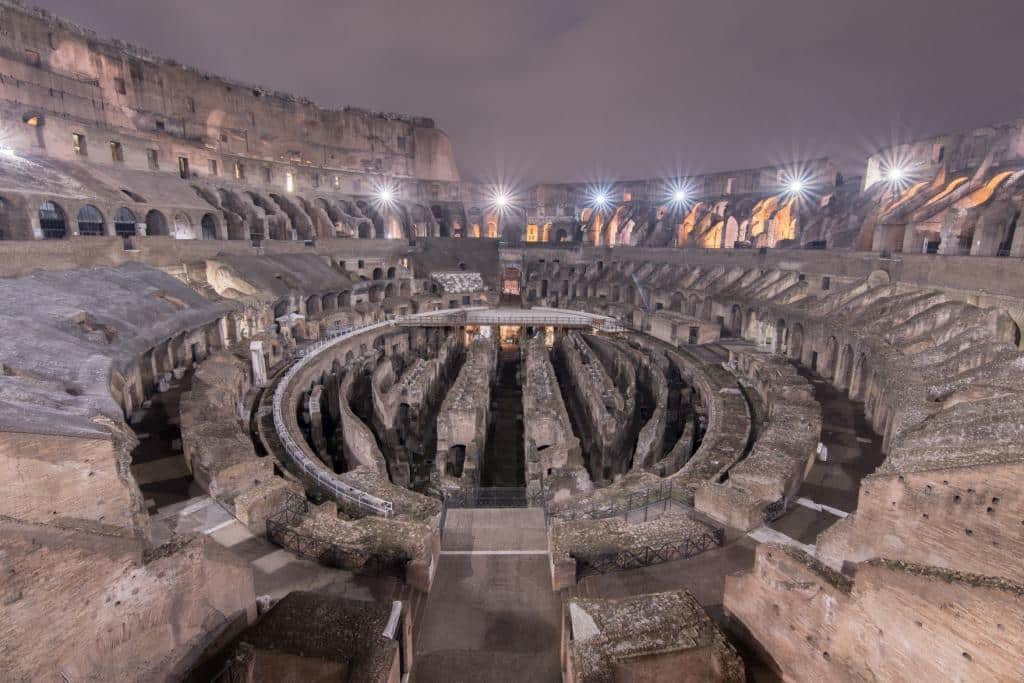
Return after dark for the illuminated passages and quieter lower levels; the tour runs roughly 75 minutes and cool evening air makes the descent more comfortable than midday.
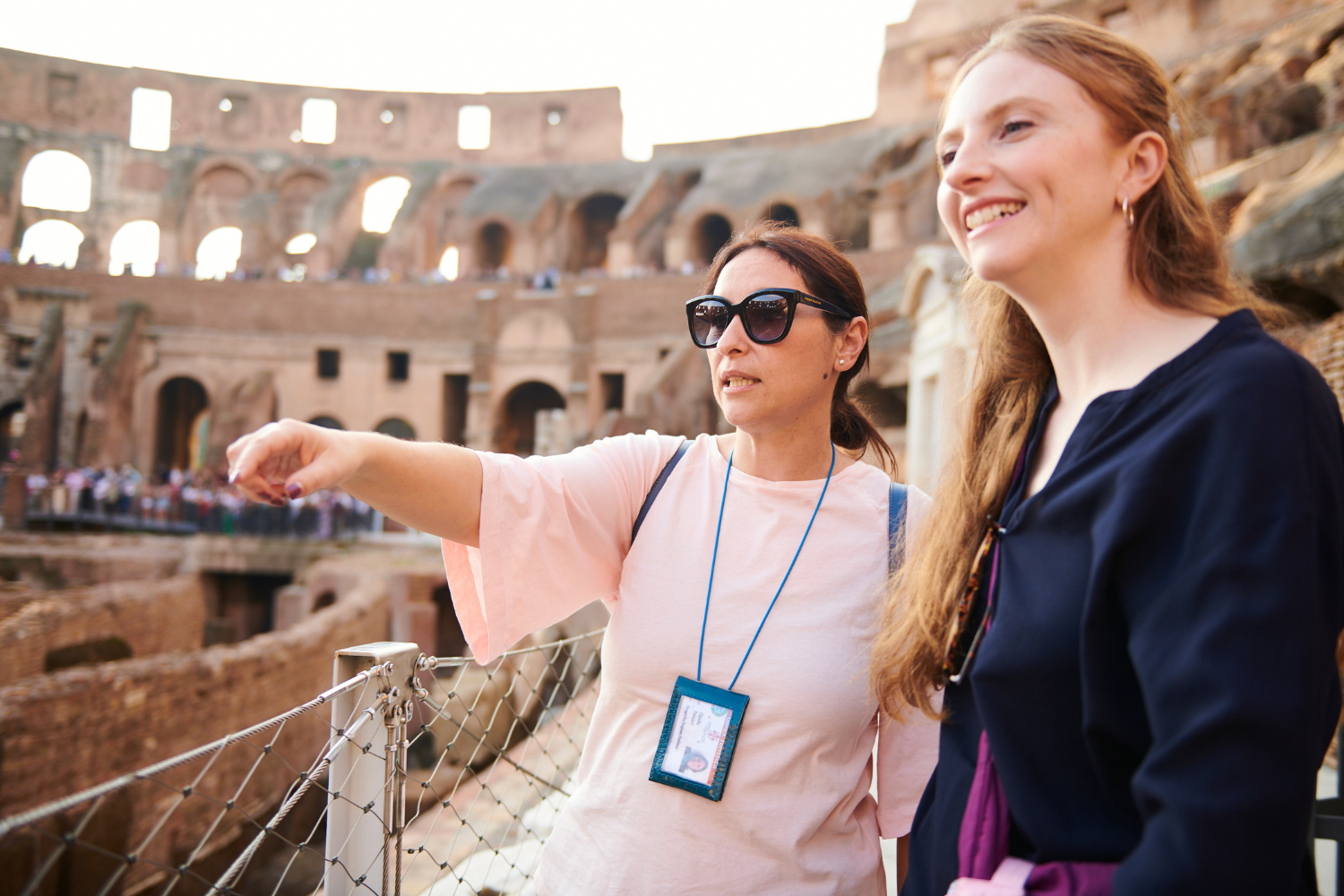
Take a private, guide-led route through the hypogeum and upper tiers at your own pace, with room to ask questions the group tours skip; usually around two hours, ideal for a slower or more detailed look.
Peer down into the exposed gladiator training ground beside the Colosseum, then wander the quiet residential slopes of the Celian; roughly 90 minutes on foot.
3
Evening
Basilica di San Clemente stratigraphy stop
Descend through the layered church built over a Roman house and Mithraic temple a few blocks east; about an hour, a calm archaeological finish to the three days.
Where to go
Rome Neighborhoods Near Colosseum Underground Tickets
Rome's historic core clusters within walking distance of the Colosseum, but the character shifts sharply block by block. Choosing a base comes down to how local, how central, or how removed from the ruins you want to feel each evening.
Monti
Best for: First-timers · local feel
Rome's oldest rione sits directly northwest of the Colosseum, a hillside tangle of cobbled lanes, wine bars, and artisan workshops centered on Piazza della Madonna dei Monti. It suits travelers who want to walk to the amphitheater in minutes yet return each night to a neighborhood that still feels lived-in rather than built for visitors.
Centro Storico
Best for: First-timers · walkability
The dense historic center around the Pantheon, Piazza Navona, and the Trevi Fountain puts nearly every major sight within a flat, manageable walk, including the Colosseum itself. It's the obvious pick for visitors who want to cover the classic sights on foot without relying on transit.
Trastevere
Best for: Dining · nightlife
Across the Tiber, Trastevere's ivy-draped facades and narrow medieval streets give way at night to one of Rome's densest concentrations of trattorias, bars, and live-music spots. It sits farther from the Colosseum than Monti or Centro Storico, so it favors travelers prioritizing evening energy over minimal walking to the ruins.
Prati
Laid out in wide, orderly boulevards just north of the Vatican, Prati is a residential, upscale district with leafy streets, Liberty-style architecture, and shopping along Via Cola di Rienzo. It works best for visitors anchoring their trip around St. Peter's and the Vatican Museums who don't mind a metro or bus ride to reach the Colosseum.
Getting around
Getting to Colosseum Underground Tickets: Metro, Bus and Walking
The Colosseo metro stop sits directly across from the amphitheater, so most visitors need only one line and a short walk to reach their entry slot on time.
Metro
€1.50 single (BIT, 100 min)
Take Line B toward Laurentina and exit at Colosseo station, two stops from Termini and about a 5-minute ride. The Sperone Valadier main entrance faces the metro exit, roughly 100 meters across the road, so leave the platform 10-15 minutes before your slot.
Bus
€1.50 single (BIT, 100 min)
Lines 51, 75, 87, 117, and 118 stop at Colosseo MB on the north side, closest to the main entrance, while lines 60 and 85 also run along Via dei Fori Imperiali. Buses are a fallback when the metro is crowded, but allow extra time since stops shift on Sundays when the Via is pedestrianized.
Walking
no fare
From Monti, it's roughly a 10-15 minute walk down Via Cavour or through the neighborhood's side streets toward Via dei Fori Imperiali. From Centro Storico or Piazza Venezia, plan about 20-25 minutes along Via dei Fori Imperiali, arriving with ruins in view the whole way.
Tram
€1.50 single (BIT, 100 min)
Tram Line 3 stops in the Colosseo/San Giovanni corridor, useful from Trastevere or Ostiense without a metro transfer. From the tram stop it's a short walk to Piazza del Colosseo.
From the airport: From FCO (Fiumicino), the Leonardo Express train reaches central Rome in 32 minutes for €14; from CIA (Ciampino), the Cotral or Terravision bus takes about 40 minutes for €6-7. Either way, connect onward via Metro Line B to Colosseo rather than attempting a direct transfer.
Save money
Does the Roma Pass Cover Colosseum Underground Tickets?
Rome's official Roma Pass bundles public transport with free entry to a small number of attractions, and it is the only citywide pass worth weighing against buying the Colosseum Underground ticket on its own.
Roma Pass 48h
Transport + 1 attraction
Roma Pass 72h
Transport + 2 attractions
Top pick
Individual ticket
Colosseum Underground only
Price
€38
€62.90
Ticket price only, purchased directly for the Underground/Arena route
What's included
ATAC transport for 48h plus free entry to 1 participating site
ATAC transport for 72h plus free entry to 2 participating sites
Timed entry to the Colosseum Underground and Arena levels, no transport, no other attractions
Transit included?
Yes, unlimited ATAC transport for 48h
Yes, unlimited ATAC transport for 72h
No, transit purchased separately (single ride €1.50 or day pass €8.50)
Underground/Arena reservation still required?
Yes, the Colosseum still requires a separate timed booking even when chosen as the pass's free attraction
Yes, same booking requirement applies
Yes, the ticket itself is the timed booking
Vatican included?
No, Vatican Museums and Sistine Chapel are excluded from both pass durations
No, Vatican Museums and Sistine Chapel are excluded from both pass durations
Not applicable, ticket covers only the Colosseum complex
Best for
Short stays using transit heavily and visiting one other paid site besides the Colosseum
Longer stays covering the Colosseum plus two other paid sites with heavy transit use
Visitors going only to the Colosseum Underground with no other paid attractions or heavy transit needs
Verdict: Buy the Roma Pass only if the multi-day transport and second free attraction genuinely get used; otherwise book the Colosseum Underground ticket directly and keep the separate timed reservation either way.
When to go
Best Time for Colosseum Underground Tickets: Season by Season
April through June and mid-September through October offer the best balance of comfort and manageable crowds for touring the Colosseum's underground chambers, with daytime highs generally between 17°C and 25°C. These shoulder-season windows fall within Rome's peak tourist period but avoid the harshest heat that makes underground stone corridors feel especially stifling.
Spring (April-June)
mild, 17-25°C, occasional showersheavy, rising toward June
Summer (July-August)
hot, up to 30°C, high humidity undergroundheaviest of the year, August thins slightly
Underground passages trap heat with little airflow, making midday visits taxing; many Roman restaurants and shops close for August holidays (ferragosto), though major sights stay open.
Fall (September-October)
warm cooling to mild, 21-25°Cheavy in September, easing by late October
September still draws large numbers, but crowds thin noticeably through October while temperatures stay comfortable for the underground's uneven floors and stairs.
Winter (November-March)
cool to cold, 8-15°C, more rainlightest of the year
Fewer visitors mean shorter waits at the underground entrance, though shorter daylight and rain can make the exposed upper Colosseum levels less comfortable to pair with the tour.
Beyond the city
Day Trips to Pair With Colosseum Underground Tickets
With an extra day or two in Rome, two well-connected sites extend the ancient-history theme beyond the Colosseum: a Roman port town and a hillside retreat of villas and gardens.
Ostia Antica
30 min
train from Porta San Paolo (Roma-Lido/Metromare line, reachable via Piramide metro stop)
A largely intact Roman port city with a preserved theater, mosaic-floored baths, and residential blocks, covering more ground in a single visit than the Roman Forum without the crowds.
Tivoli
50 min
regional train (FL2) from Roma Tiburtina or Roma Termini toward Avezzano, alighting at Tivoli station
Home to two UNESCO sites, Villa d'Este with its terraced fountains and Villa Adriana, Emperor Hadrian's sprawling countryside estate, both walkable or a short local bus ride from the train station.
The story
The History Behind Colosseum Underground Tickets
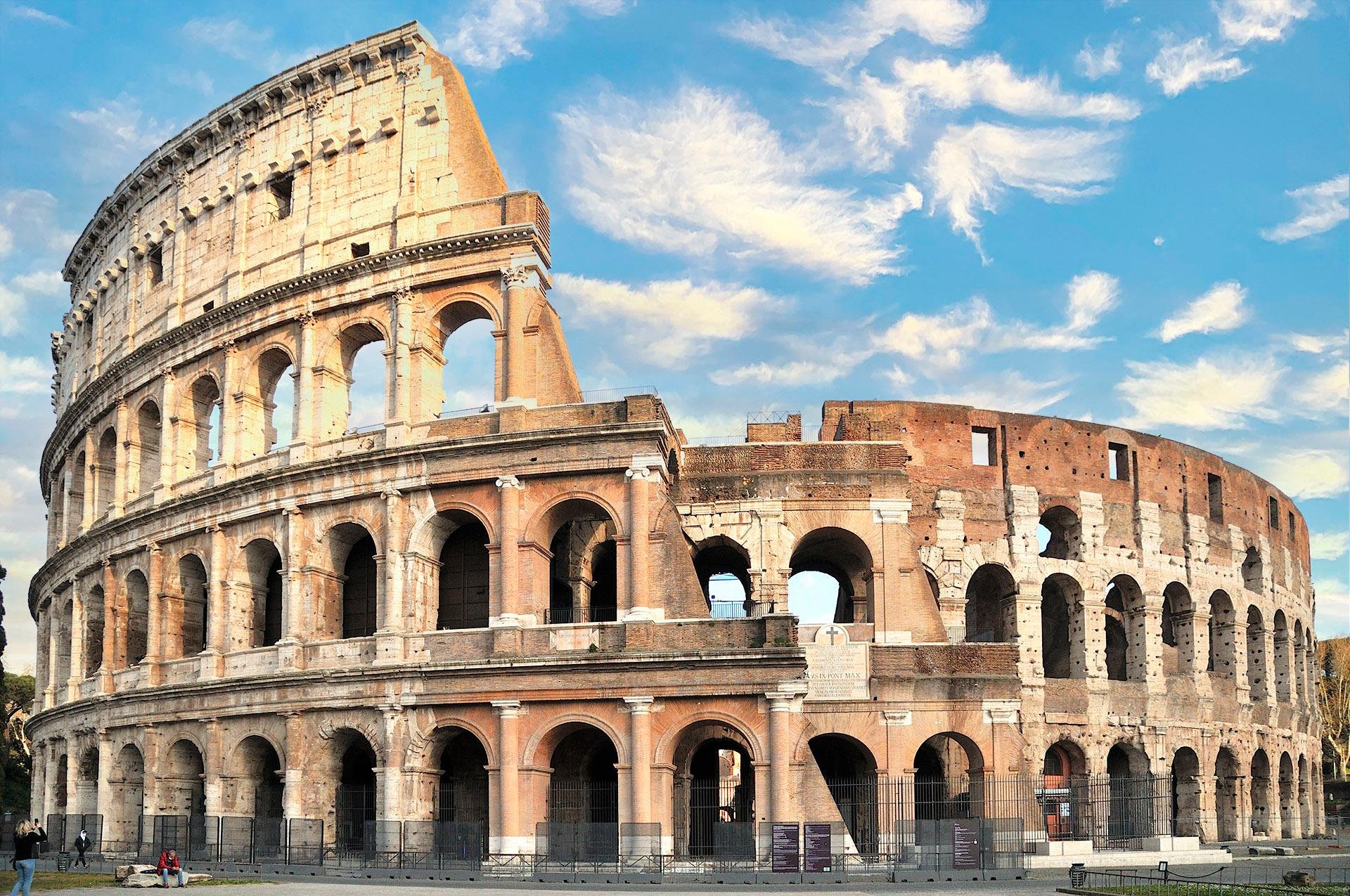
Construction of the Flavian Amphitheater began around AD 72 under Emperor Vespasian, founder of the Flavian dynasty. He built it on the drained lake of Nero's Domus Aurea, a deliberate gift returning private ground to the Roman people. Vespasian died in AD 79, before completion. His son Titus inaugurated the monument in AD 80 with one hundred days of games. The younger brother Domitian later added the hypogeum, the subterranean tier that gives Colosseum Underground Tickets tours their subject. This concrete-and-travertine ellipse rose as Rome consolidated its rule over the Mediterranean, a stage where imperial power met public spectacle.
Beneath the arena floor ran two levels of vaulted passages. Cages, ramps, and thirty-two animal lifts operated by capstans and counterweights raised beasts through trapdoors into daylight. Wooden hoists and pulley systems, restored in recent decades, still trace this hidden machinery. A curious visitor who books Colosseum Underground Tickets tickets walks the same corridors where gladiators and hunters waited. Many Rome landmarks tell of empire; few show its engineering so plainly.
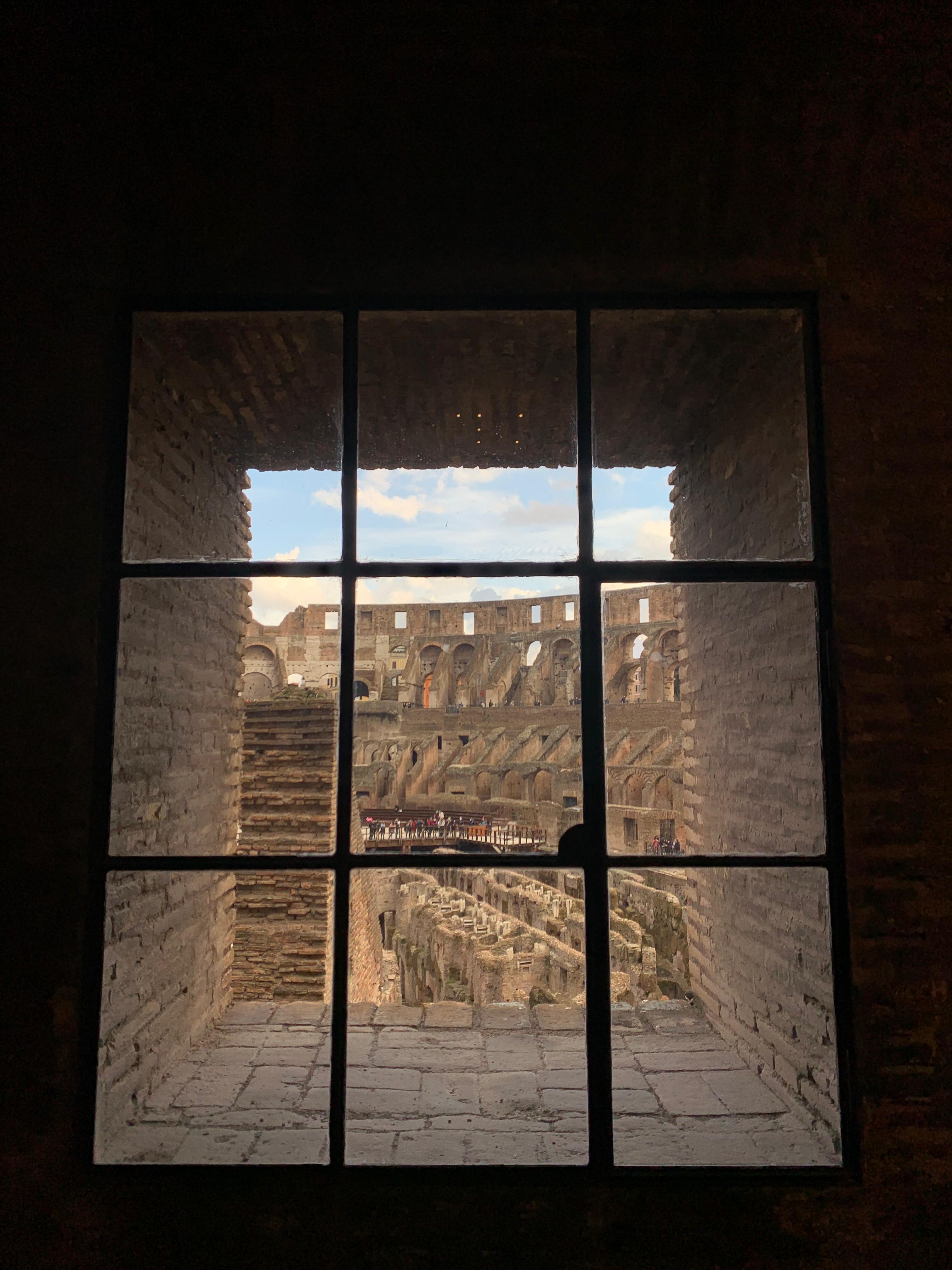
The amphitheater seated roughly fifty thousand spectators, its awning, the velarium, rigged by sailors of the imperial fleet. Games continued into the sixth century AD before decline set in. Earthquakes, quarrying, and medieval fortification stripped the outer ring. A Colosseum Underground Tickets tour reveals the exposed hypogeum, once concealed under timber and sand. What survives today, the gutted stone and the raw brick tunnels, remains among the most legible imperial ruins standing in the modern city.
AD 72
Vespasian begins construction of the Flavian Amphitheater on Nero's drained lake.
AD 79
Vespasian dies before the monument is finished.
AD 80
Titus inaugurates the amphitheater with one hundred days of games.
AD 81-96
Domitian adds the hypogeum with its trapdoors and animal lifts.
6th c.
Amphitheater games fall into decline and cease.
13th c.
The Frangipani family fortifies the ruin as a stronghold.
FAQ
FAQ: Visiting Colosseum Underground in Rome
Everything you need to know about visiting Colosseum Underground Tickets
One full day is enough to cover the Colosseum Underground, the Arena floor, and the adjoining Roman Forum and Palatine Hill, since most guided visits run two and a half to three hours. Add a second day if you want to pair your Colosseum Underground Tickets with a broader look at other Rome landmarks nearby.
Spring (April to June) and early autumn (September-October) bring milder weather and are considered peak season for sightseeing, while July and August remain busy with summer holidaymakers despite the heat. Booking Colosseum Underground Tickets several weeks ahead is wise in any of these peak months, since hypogeum access is capped daily.
From Fiumicino (FCO), the Leonardo Express train reaches central Rome in about 32 minutes for €14. From Ciampino (CIA), a Cotral or Terravision bus takes roughly 40 minutes and costs €6-7.
ATAC runs Rome's public transit network, with a single ride (BIT, valid 100 minutes) costing €1.50 and a day pass (Roma 24H) priced at €8.50; most visitors combine a short walk with the metro's Colosseo stop to reach the site.
A mid-range meal typically runs €15-20, a bar-counter coffee €1.50-2, and a local 0.4L beer €5-6, while taxis charge around €1.10 per kilometer plus a roughly €3.50 flag drop. Colosseum Underground Tickets themselves add a further cost on top of these daily living expenses, since hypogeum access requires a licensed guide and sells at a premium over standard entry.
Rome's transit day pass (Roma 24H, €8.50) can trim transport costs for a day spent moving between sites, though it does not include site admission. Combination itineraries covering the Colosseum, Roman Forum, and Palatine Hill are the main way to get more value from Colosseum Underground Tickets, since these areas are usually bundled into a single visit.
The area around the Colosseum is well-patrolled and heavily trafficked by tourists and locals alike, making it one of the safer parts of central Rome, though visitors should still watch for pickpockets in crowds. As with most busy attractions, staying alert around ticket queues and public transit is a sensible precaution.
Tipping is not obligatory in Italy, but rounding up or leaving a few euros for a guide on a Colosseum Underground tour is appreciated for good service. In restaurants, a service charge (coperto) is often already included, so additional tipping is discretionary.
The underground tour is generally recommended for children aged seven and above, given the walking, stairs, and narrow passages involved in the hypogeum. Families with younger children might prefer the standard Arena-only ticket, which covers less ground and skips the underground tunnels entirely.
The Colosseum Underground, known as the hypogeum, is famous as the network of tunnels and chambers beneath the arena floor where gladiators and animals were staged before being lifted into view of the crowd. It remains one of the most sought-after things to do in Colosseum Underground sightseeing, offering a rare look at the mechanics behind ancient Roman spectacles alongside views over the Roman Forum.
Ready to Explore?
Choose from amazing attractions and create unforgettable memories in this beautiful city