
2 h 30 min
Rome: Colosseum, Palatine Hill & Roman Forum Guided Tour
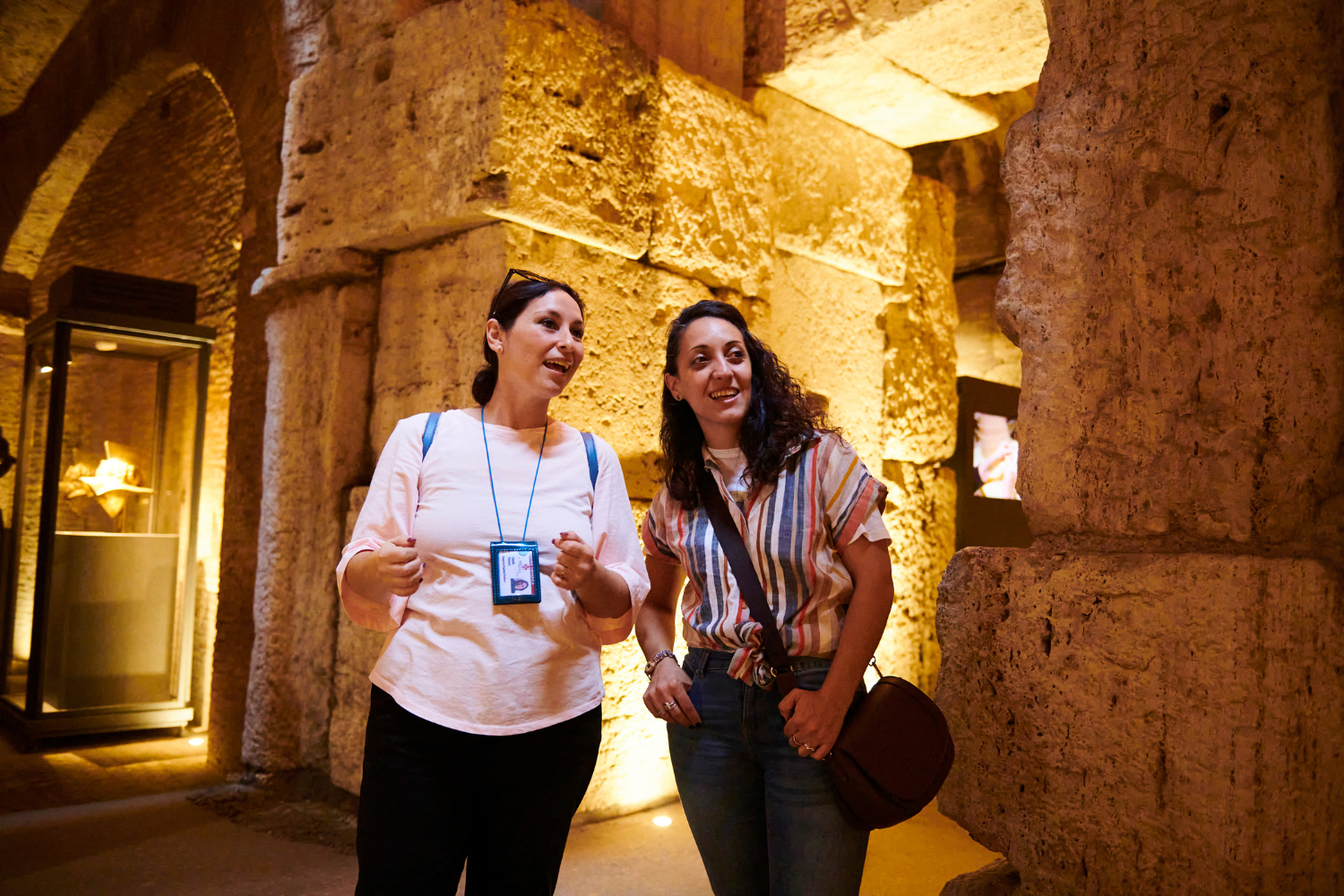
- Guia local especializado
- Grupo pequeno
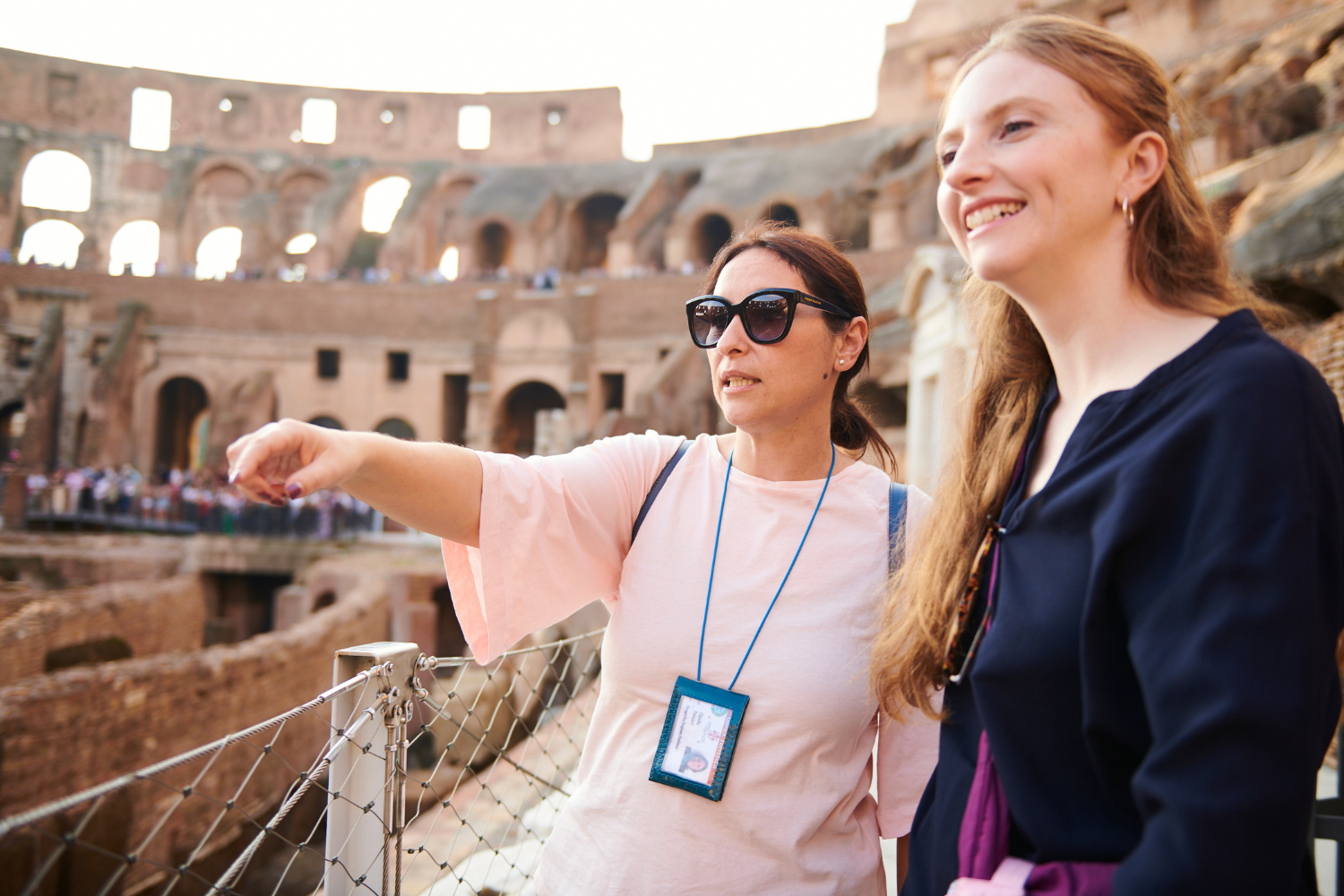
- Acesso sem filas
- Cancelamento gratuito
Colosseum Underground And Arena Floor Tickets — Full Experience Entry
Down where the lifts once rose, out where the sand once lay
Compare tarifas e escolha a que mais lhe convém — todas as reservas incluem voucher móvel e cancelamento gratuito onde indicado.
2 h 30 min
3 h
3 h
Booking colosseum underground and arena floor tickets means choosing among three official access tiers, each unlocking different physical zones of the amphitheater. This colosseo Colosseo sotterranei e piano arena guide breaks down what the Full Experience Underground and Arena ticket adds over Standard entry and the Arena-only option.
| Standard Levels 1-2 only | Full Experience Arena Arena floor, no underground |
Top pick Full Experience Underground and Arena Arena + hypogeum (Elevator/staircase escort) |
|
|---|---|---|---|
| Zones included | Levels 1-2, Roman Forum, Palatine Hill | Arena floor, Levels 1-2, Forum, Palatine, SUPER sites | Arena floor, underground, Levels 1-2, Forum, Palatine, SUPER sites |
| Underground access | — | — | ✓ accompanied visit |
| Arena floor access | — | ||
| Guide requirement | Not required | Not required | Accompanied underground visit only |
| Price | 18 EUR adult | 24 EUR adult | 24 EUR adult (Full Experience Underground and Arena ticket) |
| Booking window | Released 30 days ahead | Released 30 days ahead, limited stock | Released 30 days ahead, sells out fastest |
| Best for | Budget-conscious, short visits | Those wanting arena views without hypogeum | First-timers wanting the full colosseum underground and arena floor tickets tour experience |
| See tickets & prices |
Verdict: First-time visitors chasing the fullest colosseum underground and arena floor tickets tours experience should book the Full Experience Underground and Arena ticket well before the 30-day release window closes it out.
Worth it for history-hungry first-timers
At 24 EUR, colosseum underground and arena floor tickets sit only a few euros above standard entry, and that gap buys the two areas casual visitors most want but rarely get. The arena floor puts you where gladiators stood, at eye level with the tiered seating; the hypogeum below reveals the trap-door corridors and lift shafts that staged the spectacles. Compared to a general Rome landmarks pass that keeps you on the outer ring, this guided access earns its premium if you care about the machinery of the games rather than a quick photo. Most colosseum underground and arena floor tickets tours run timed and escorted, so book the first slot early. The upgrade pays off for engaged first-timers, families with curious teens, and repeat visitors who did the standard loop before. Budget travelers on a tight Rome sprint can skip it without real loss.
Bottom line: For anyone chasing the real machinery of the arena, the colosseum underground and arena floor tickets tour justifies the modest 24 EUR outlay.
Experiências selecionadas amadas por milhares de viajantes
3 hours
Cancelamento gratuito
Step onto the Colosseum arena floor & explore the Roman Forum with a max 10-person group.
2.5 hours
Cancelamento gratuito
Step onto the gladiator arena floor and explore Ancient Rome's greatest monuments with an expert guide.
3 – 3.5 hours
Cancelamento gratuito
Explore Rome's iconic ancient sites privately, including rare underground Colosseum access, in just 3 hours.
Enter via the dedicated underground entrance, pass through bag screening and ID check
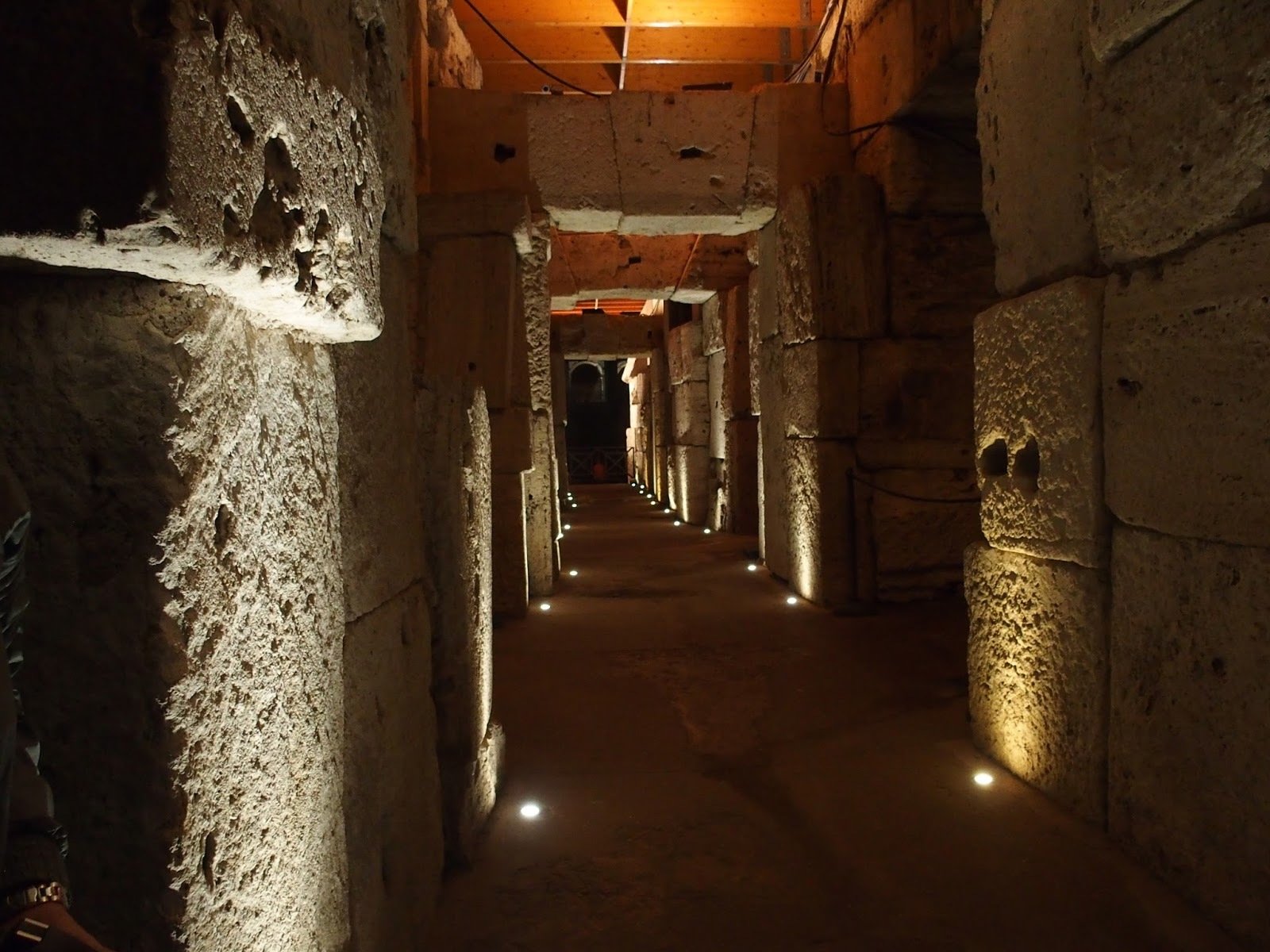
Follow a licensed guide through the two-level network of corridors, animal cages, and elevator shaft remains beneath the arena
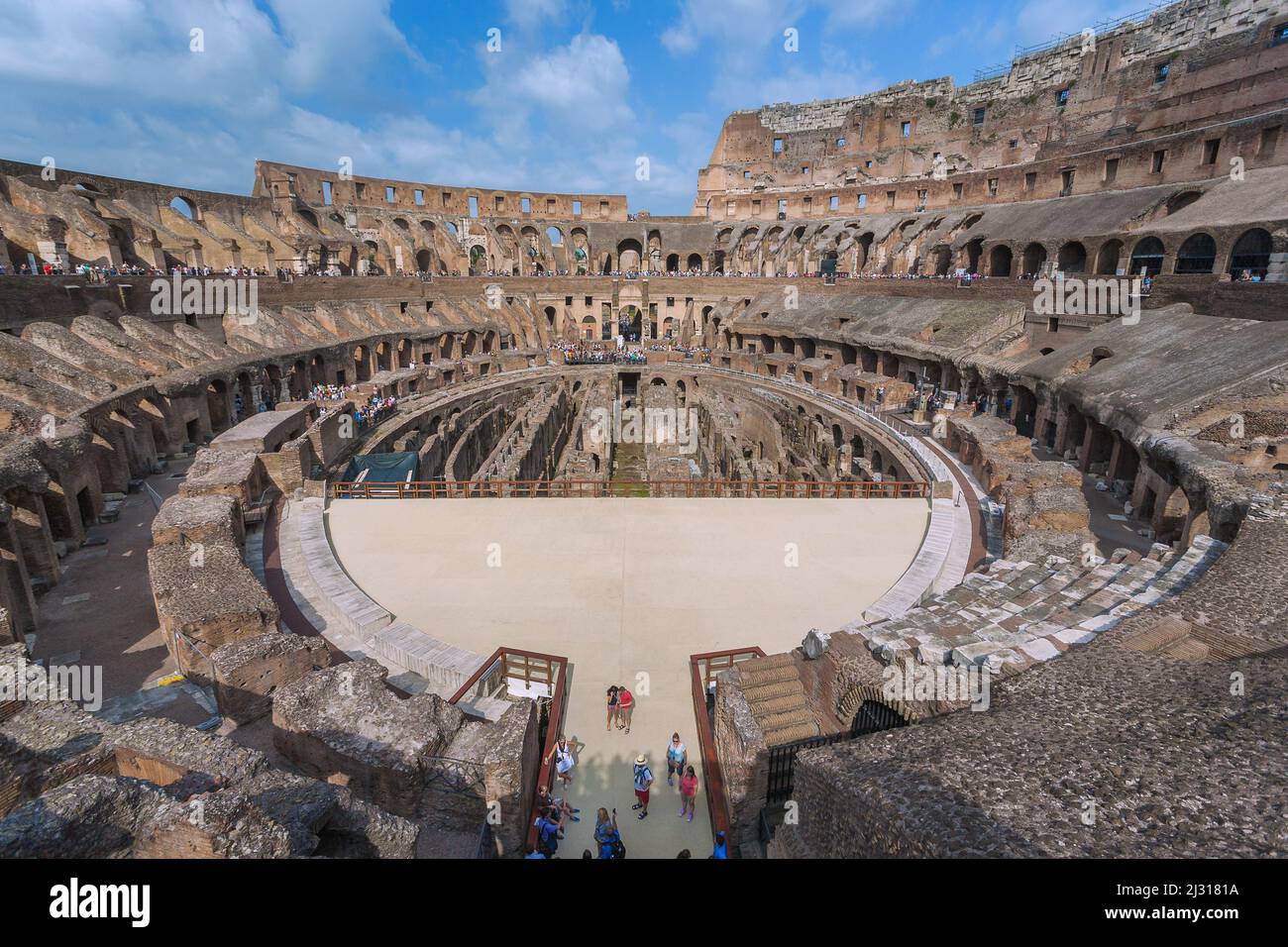
Step onto a reconstructed section of the arena floor via the Gladiator's Gate for views across the full amphitheater bowl
Continue self-guided through levels one and two of the Colosseum with included same-ticket access
Use the combined ticket's two-day validity to walk through the adjoining ancient forum and hillside ruins
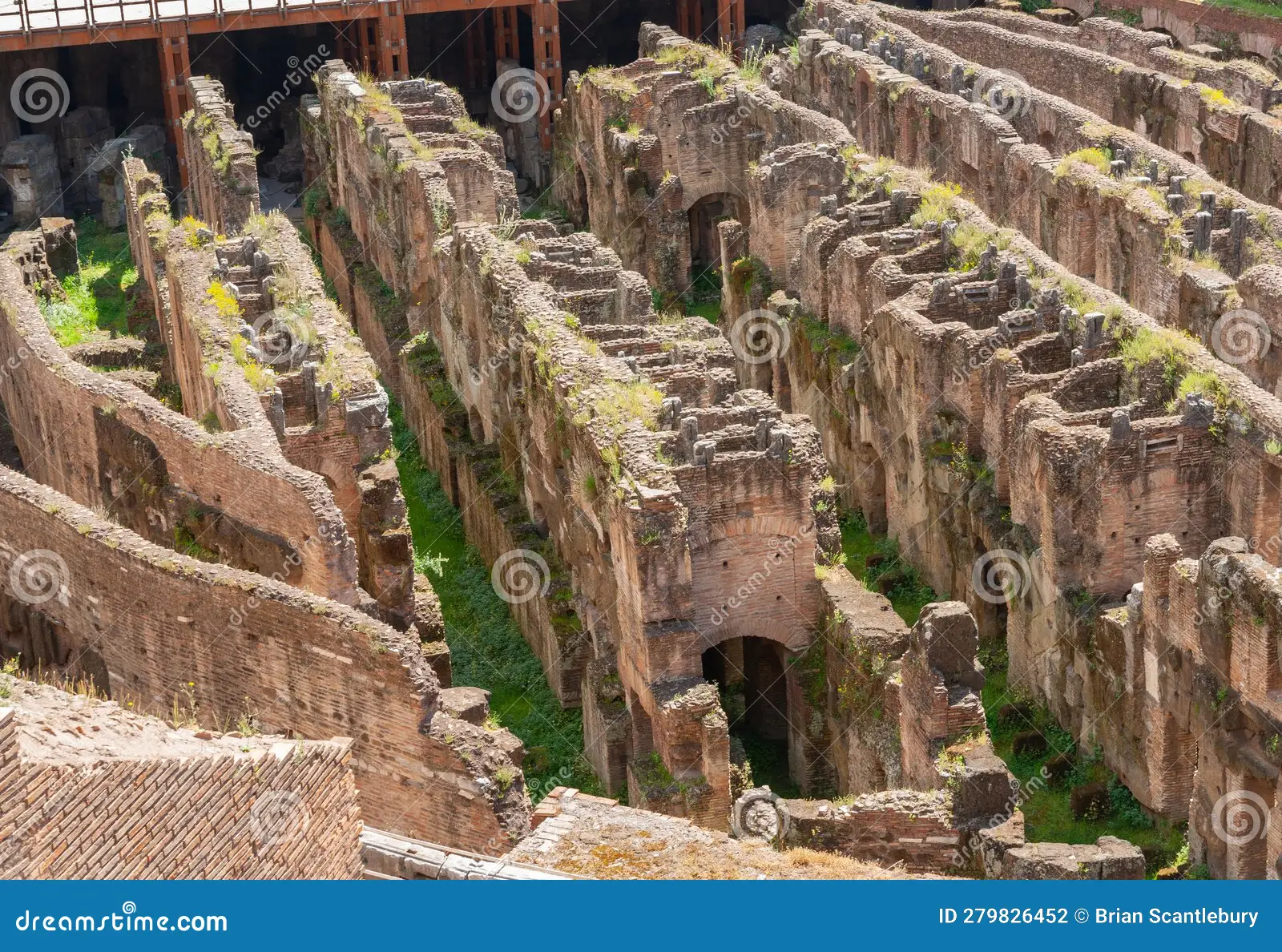
A two-level network of tunnels, animal cages, and machinery rooms beneath the arena, added roughly a decade after the Colosseum's original completion under Emperor Domitian. Some 80 vertical shafts once housed wooden elevators used to hoist animals and scenery straight into the arena above.
A partial wooden reconstruction of the original sand-covered fighting floor, accessed via the historic Gladiator's Gate, that lets visitors stand at the center of the amphitheater bowl. The real Roman floor was dismantled centuries ago, exposing the hypogeum below to open sky.
The restored ceremonial passage through which fighters once entered the arena directly from underground holding cells. Its narrow proportions reveal how tightly controlled and choreographed entrances into the games were.
Surviving stone and timber traces of the pulley-driven lift system that could raise scenery, props, and caged animals from the hypogeum to the arena floor in seconds. Roman engineers built at least 28 such lift mechanisms into the substructure.
The tiered stone seating rings on levels one and two, originally organized by strict social hierarchy from senators near the arena to common citizens at the top. The full structure once seated an estimated 50,000 to 80,000 spectators.
You enter from Piazza del Colosseo, voucher on your phone, and follow the marked route toward the gladiators' gate rather than the general concourse. A guide unlocks the passage and you step down into the hypogeum, where the temperature drops and the noise of the square falls away. You walk between brick piers that once channelled animals and stagehands, tracing the shafts where counterweighted lifts rose eighty times a show. You pause at a reconstructed elevator, then climb a modern stair toward the light. The arena floor opens ahead: a broad wooden platform laid across the exposed underground, and you stand at its centre where the sand once absorbed the day's spectacle. Around you the tiers climb in three curved registers, and you sense the scale that fifty thousand spectators gave the space. You cross to the perimeter, look back down through gaps in the planking at the tunnels you just left, and the two levels resolve into one machine. Your colosseum underground and arena floor tickets carry you next to the upper terraces, where you photograph the ellipse from above and read the layered arches against the Roman sky. You exit toward the Forum, the Arch of Constantine framing the walk out, the whole visit compressed into roughly ninety focused minutes.
Todos os detalhes da sua próxima aventura em um só lugar
Colosseum underground and arena floor tickets open the hypogeum passages where gladiators and wild animals once waited beneath the sand, along with reconstructed wooden decking that lets you stand where the combat unfolded. Guided colosseum underground and arena floor tickets tours pair this restricted-access route with the Roman Forum and Palatine Hill, tracing the flow of Roman amphitheatre life from tunnels to tiered seating. These skip-the-line Colosseum entries limit numbers below ground, so the Rome landmarks itinerary moves at an unhurried pace.
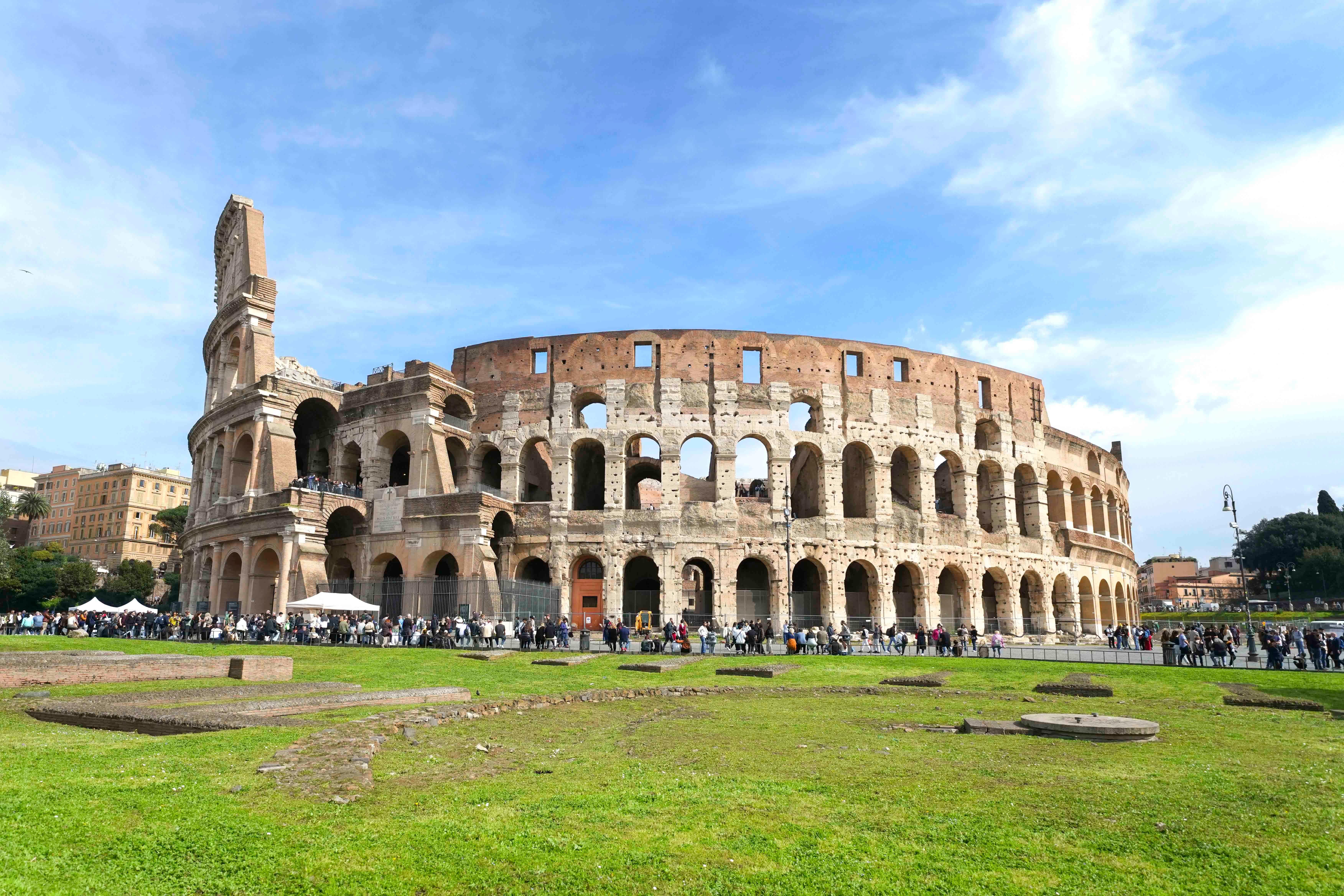
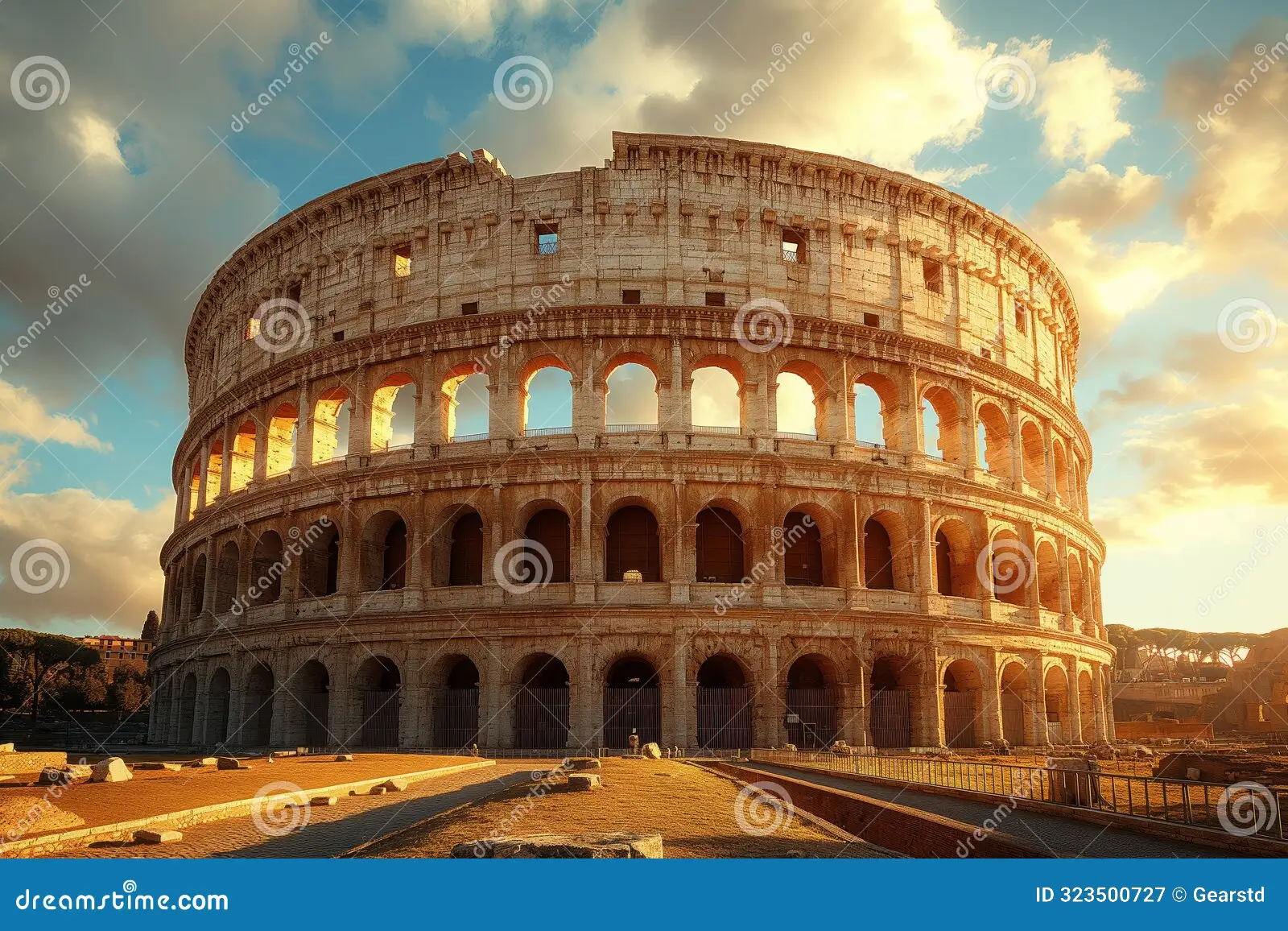
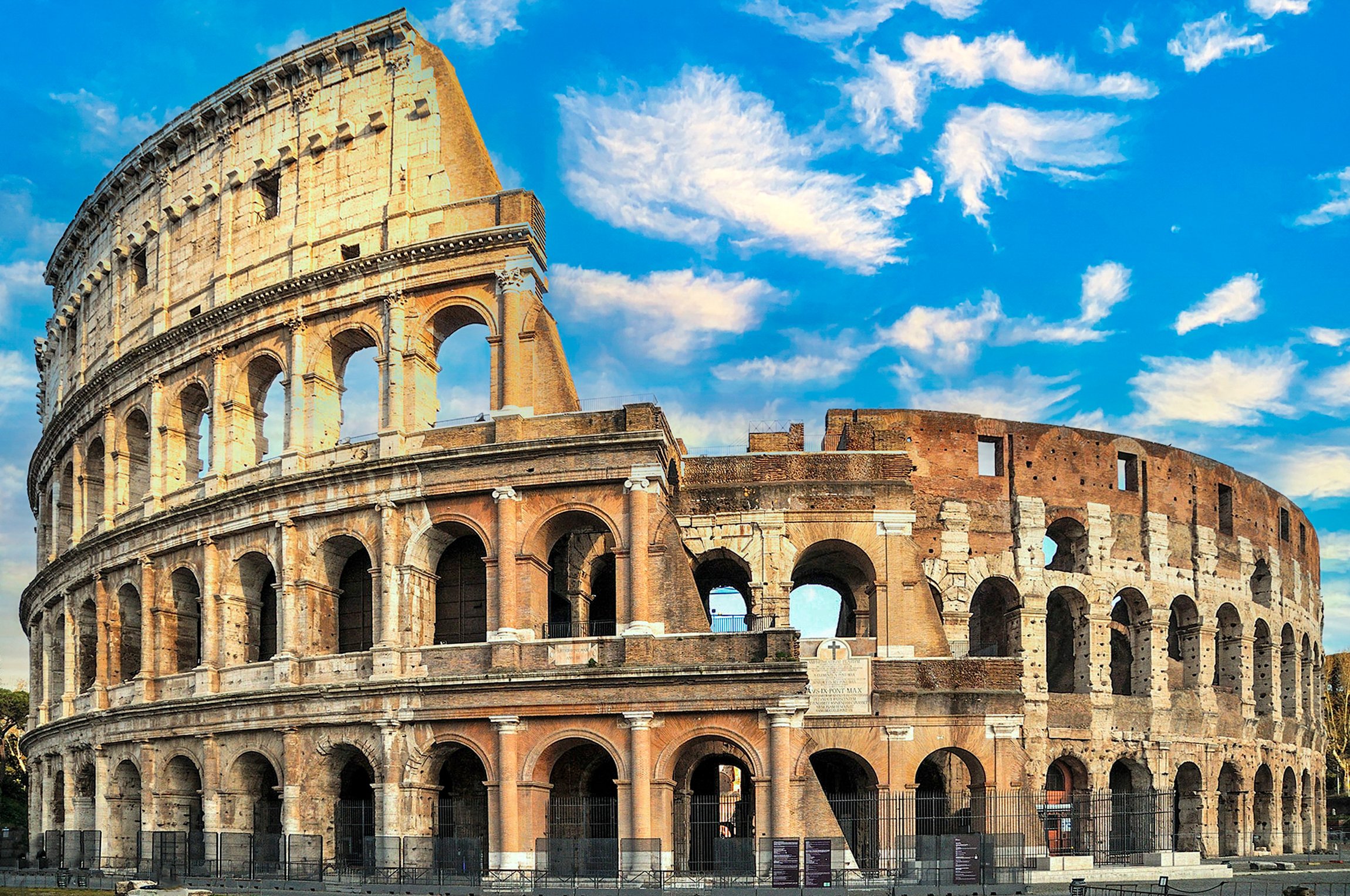
The hypogeum beneath the Colosseum held eighty vertical lifts, each hauled by counterweight and capstan to lift caged animals into daylight through trapdoors in the arena floor. For centuries this subterranean network lay buried under rubble and rainwater, invisible to the millions who circled the monument above. Only in recent decades has systematic excavation reopened the two-level warren of tunnels, cells, and machinery corridors that made the spectacles above possible. Rome's amphitheatre, commissioned by Vespasian around 72 AD and inaugurated by his son Titus in 80 AD, seated roughly fifty thousand spectators across a travertine ellipse 189 metres long. The colosseum underground and arena floor tickets grant access to the parts of the structure that ordinary admission omits: the gladiatorial passages, the staging chambers, and the reconstructed wooden platform where combat unfolded. Standing on that platform, a visitor occupies the exact plane the crowd once fixed its eyes upon. The hypogeum was more than storage. It functioned as a theatre's backstage, a place of pulleys, ramps, and holding pens where scenery and beasts waited in darkness before their cue. Elevators shafts still scar the brick piers. Channels cut for drainage and for the flooding of naval mock-battles, the naumachiae, remain legible in the stone. A hypogeum tour reveals engineering that anticipated stagecraft by fifteen centuries. Above ground, the four-tiered façade layered Doric, Ionic, and Corinthian half-columns, an architectural grammar copied across the Roman world. Awnings called the velarium, worked by sailors from the imperial fleet, shaded the tiers from summer glare. Earthquakes, stone-robbing, and medieval fortification stripped much of the outer ring, yet the skeleton endures as one of Rome's defining landmarks and a UNESCO World Heritage monument. What draws people underground today is proximity to the mechanism rather than the myth. The colosseum underground and arena floor tickets tour narrows the distance between spectator and machinery, letting visitors read the amphitheatre as a working building rather than a ruin frozen in postcard silhouette. Restoration since the 2010s has consolidated the brickwork and installed walkways that follow original service routes. The arena floor itself, long absent, now exists again in partial reconstruction, its planks laid over the exposed hypogeum so the two registers can be understood together. From here the tiers rise in every direction, and the geometry that let fifty thousand voices carry becomes physically obvious. Few Roman structures let a modern visitor stand simultaneously above the machinery and within the spectacle, and this is what the full-experience route delivers.
The hypogeum was a theatre's backstage, a place of pulleys and holding pens where beasts waited in darkness before their cue.
Comfortable, closed-toe walking shoes are essential for the hypogeum's uneven ancient stone surfaces and narrow stairways. Rome's summer heat inside the exposed arena calls for lightweight, breathable clothing, a hat, and sunglasses, since the underground level itself is noticeably cooler than the open-air tiers above.
Bags larger than roughly 40 x 35 x 15 cm, backpacks with rigid frames, wheeled luggage, and suitcases are not permitted inside the Colosseum Underground and arena floor area and there is no cloakroom on site to store them. All bags pass through an airport-style scanner and may be opened for a visual check at the security checkpoint before the hypogeum entrance.
Handheld photography and video without flash or tripods are permitted throughout the underground galleries and arena floor for personal use. Selfie sticks, monopods, and commercial filming equipment are not allowed inside the narrow hypogeum corridors without prior written authorization from Parco Archeologico del Colosseo.
Children under 18 need a reserved timed ticket even though entry is free, and the underground route's stairs and confined passages mean strollers must be left behind. A carrier or baby sling is a practical substitute for younger children on the hypogeum portion of the visit.
The hypogeum involves narrow stone stairways, low ceilings, and uneven ancient surfaces, so it is not recommended for wheelchair users, visitors with strollers, or anyone with significant mobility limitations. Ground-level and second-tier areas of the Colosseum itself remain step-free via a dedicated elevator, and a disabled visitor plus one companion enter free of charge with valid ID.
Food and beverages other than water are not permitted inside the Colosseum, underground galleries, or arena floor, and there are no cafes or vending points within the ticketed archaeological area. Plastic or metal water bottles are allowed through security, but glass containers of any kind are refused at the checkpoint.
Book Colosseum underground and arena floor tickets early
Midweek crowds slightly lower
Weekend crowds start building
Busiest day of the week
First Sunday of month sees free-entry crowds
Opening hours
08:30–19:15 daily, last entry one hour before closing
Address
Piazza del Colosseo, 1, 00184 Roma RM, Italy
Underground access
Stairs and uneven floors, not wheelchair accessible
Best arrival
08:30–10:00, first entry slot avoids peak midday crowds
Bag policy
Small to medium bags only, no large backpacks or suitcases
Public transport · 10-15 minutes from central Rome · Single ticket around €1.50
Take Metro Line B to the Colosseo stop, which sits directly outside the amphitheater entrance. Tram 3 and several city bus routes, including the 51 and 85, also stop within a short walk of Piazza del Colosseo.
Walk · 20 minutes from Piazza Venezia · Free
From the historic center around Piazza Venezia, it's a straightforward 20-minute walk down Via dei Fori Imperiali past the Roman Forum toward the amphitheater.
Taxi · 10-20 minutes depending on traffic · €10-20 from city center
Licensed white taxis can be hailed or booked to Piazza del Colosseo from most central hotels, dropping passengers close to the security checkpoint.
Car · 20-40 minutes depending on origin · €3-5 per hour parking
Driving is discouraged since the historic center around the Colosseum has restricted traffic zones (ZTL); paid parking garages exist near Via Labicana and Celio for those who do drive.
The 24 EUR Full Experience Underground and Arena ticket is non-refundable once booked, in line with the official Parco Archeologico del Colosseo policy, though date changes may be possible if requested well before the visit date through the original point of purchase. Third-party resellers may offer more flexible free-cancellation windows, typically up to 24 hours before the visit.
Clima · afluência · preço médio — os pontos passam de verde a âmbar e vermelho conforme cada indicador sobe.
Mild 15-22°C temperatures draw large crowds around Easter and school holidays. Booking the 08:30–10:00 opening window helps avoid the midday rush that builds through late morning.
Peak tourist season with temperatures often exceeding 32°C inside the exposed arena. Underground slots sell out within minutes of the 30-day release window, so early booking is essential.
Warm days around 20-25°C with noticeably thinner crowds than summer, making it one of the more comfortable windows for the hypogeum descent. Early October still carries some residual high-season demand.
Cool 8-14°C days bring the lightest crowds of the year and easier last-minute underground availability. Shorter daylight hours mean the site's evening closing time comes earlier in this period.
Official underground slots for colosseum underground and arena floor tickets release exactly 30 days in advance at midnight Rome time and can sell out within minutes during peak season, so set a reminder.
Arriving between 08:30 and 10:00 lets visitors move through security and into the hypogeum before tour groups and midday crowds converge on the arena entrance.
Since there's no cloakroom at the site, bringing only a small crossbody bag avoids the risk of being turned away at the underground entrance checkpoint.
The hypogeum's ancient stone steps are uneven and can be slick after rain, so flat closed-toe shoes matter more than in the open-air tiers above.
The Full Experience Underground and Arena ticket includes two-day validity, letting visitors split the Roman Forum and Palatine Hill portion across a second visit if the first day runs long.
Underground access is guided-only, and official tours run in English, Italian, and Spanish depending on the time slot, so confirm the language before booking.
The hypogeum stays several degrees cooler than the open arena, so a light layer is worth carrying even on a hot Roman afternoon.
Piazza del Colosseo, 1, 00184 Roma RM, Italy
Dedicated entrance for Full Experience Underground and Arena ticket holders, separate from the general queue
Get directionsVia Sacra, Roman Forum side, 00184 Roma RM
Alternate accessible entrance point shared with Roman Forum visitors
Get directionsEmperor Vespasian began the Flavian Amphitheatre around 72 AD, funded by spoils from the Jewish War. His son Titus inaugurated it in 80 AD with a hundred days of games. The hypogeum came later. Domitian, the third Flavian, ordered the underground network built during his reign, between 81 and 96 AD. This subterranean labyrinth transformed the arena. Anyone holding colosseum underground and arena floor tickets today walks above what was once a hidden machine of stone and timber. The hypogeum ran on two levels beneath the wooden arena floor. Engineers installed 80 vertical lifts, hauled by counterweights and manned by slaves. Around 36 trapdoors opened into the sand above. Gladiators waited in narrow corridors. Caged animals were winched upward and released mid-spectacle. The system demanded precise coordination, and a colosseum underground and arena floor tickets tour reveals the surviving brick channels where these mechanisms once turned. The games ended in the early sixth century. Earthquakes, notably the tremor of 1349, brought down the southern outer ring. The hypogeum slowly filled with earth, debris, and vegetation. For centuries it lay buried and forgotten. During the medieval period the Frangipani family fortified the ruin. Popes later quarried its travertine for churches and palaces. The Roman landmark, once the empire's grandest venue, became a stone quarry and a Christian shrine. Systematic excavation of the underground came in the 1930s under the Fascist regime, which cleared the accumulated fill and exposed the corridor plan visitors now trace. This UNESCO heritage monument reopened its lower level to guided access only in recent decades. Skip-the-line Colosseum entry and specialised Rome Colosseum tour routes finally let the public descend. A colosseum underground and arena floor tickets tickets holder stands where beasts and fighters once waited in darkness. Modern colosseum underground and arena floor tickets tours interpret the hydraulics, the drainage, and the vaulted passages. What survives is not spectacle but structure: the raw bones of Domitian's engineering, the arena floor partly reconstructed, and the silent lifts of a vanished machine.
Vespasian began the Flavian Amphitheatre using spoils from the Jewish War.
Titus inaugurated the arena with a hundred days of inaugural games.
Domitian ordered construction of the two-level hypogeum beneath the floor.
The gladiatorial and animal games ceased in the early sixth century.
A major earthquake collapsed the southern outer ring of the structure.
The Frangipani family fortified the ruin as debris buried the hypogeum.
Fascist-era excavation cleared the fill and exposed the underground corridors.
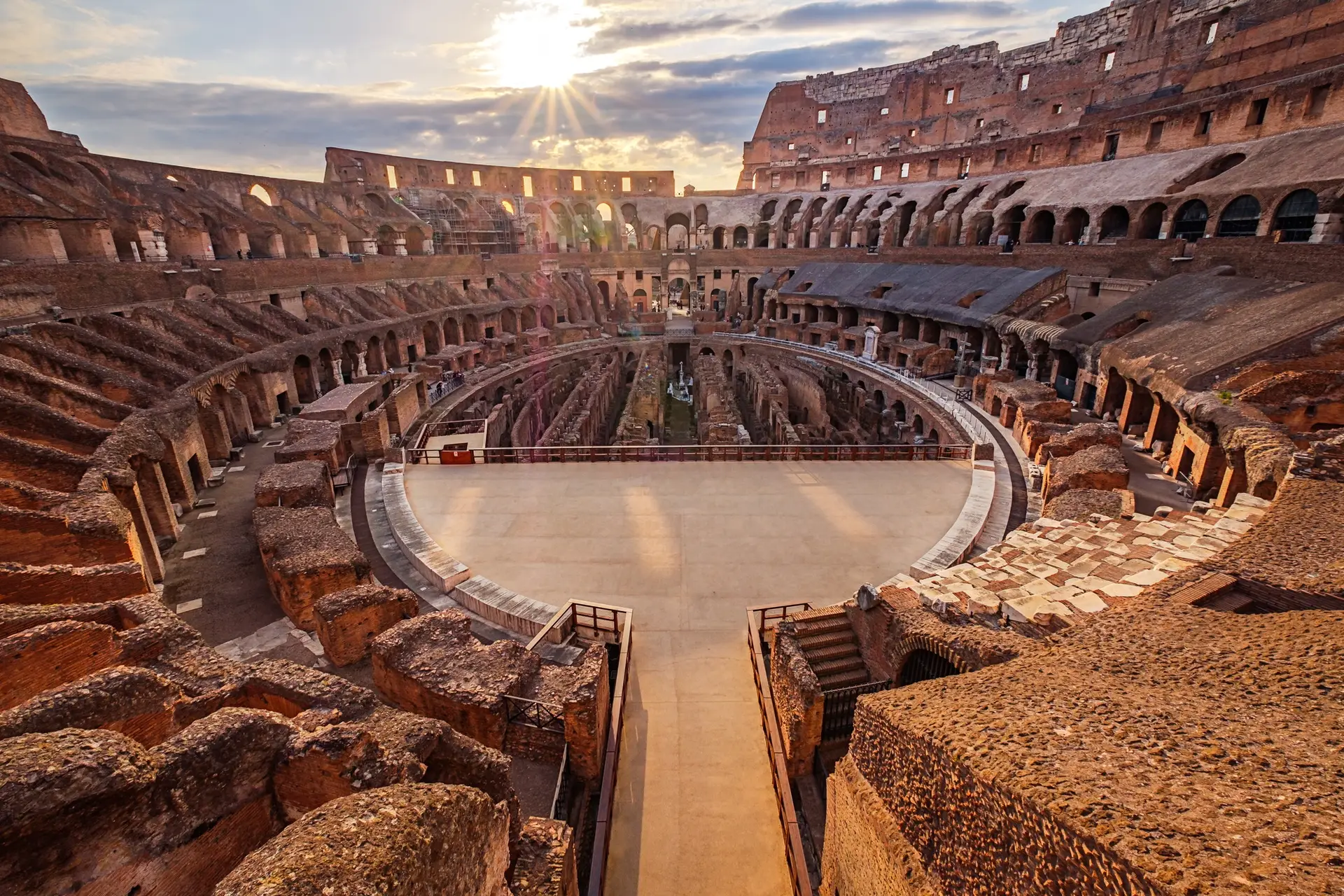
Standing on the wooden decking at center, look straight up through all tiers of the cavea toward the Gate of Triumph and Gate of Death; the 360-degree sweep gives the clearest sense of scale from ground level. Gaps in the planking let you frame the hypogeum passages a few metres below in the same shot.
One of the main underground passages, lined with bronze capstans and brick walls, offering a tight, low-light corridor shot with a single vanishing point toward daylight at the far end. Access is only with a guided tour, and no tripods are allowed.
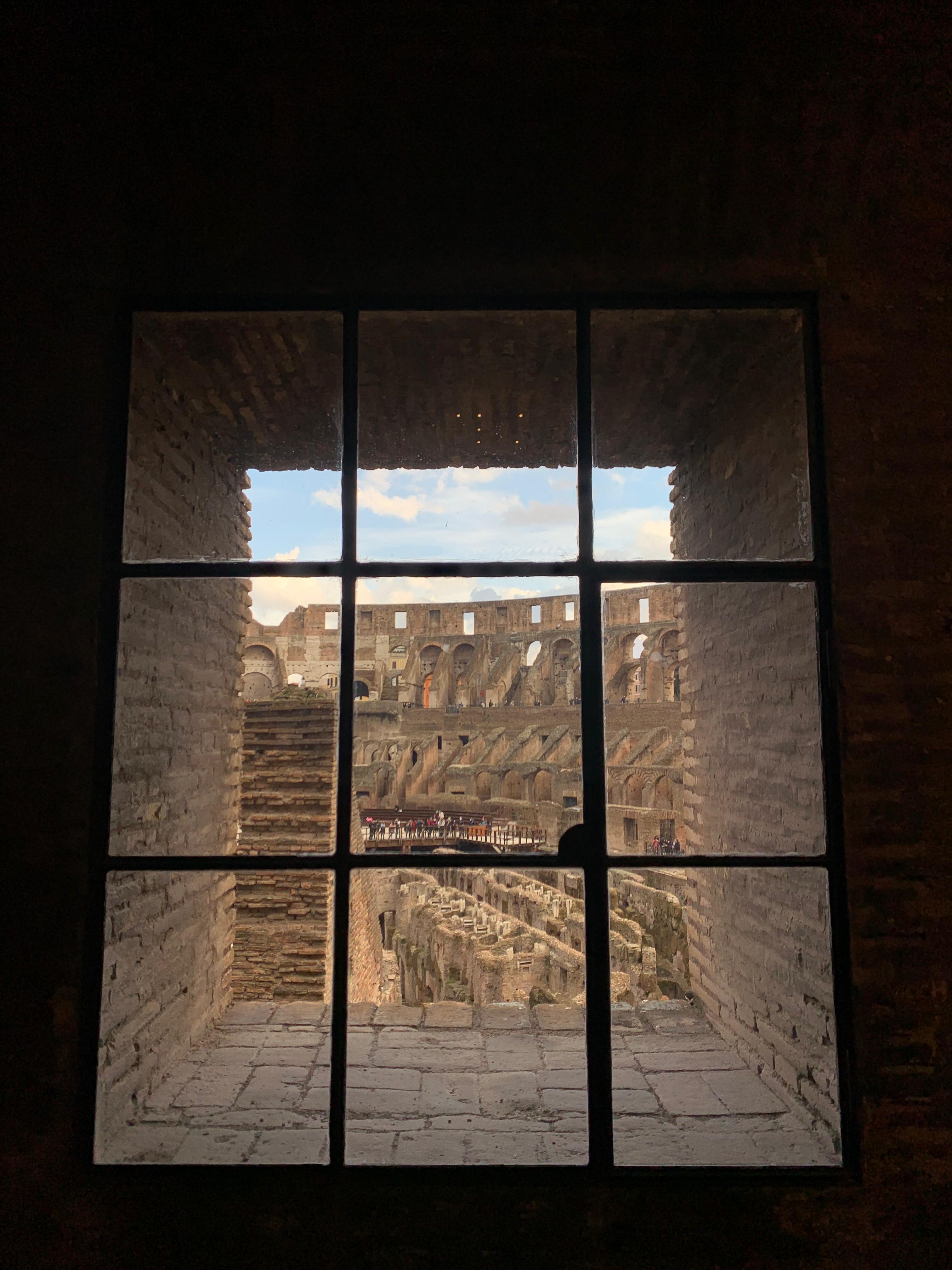
From the highest accessible level, over 40 metres up, the full elliptical footprint of the hypogeum reads as one legible network of tunnels and shafts beneath the arena floor, with all four cavea tiers stacked in the frame. This is the only angle where the underground appears as a complete system rather than isolated dark openings; entry requires a specific guided-access ticket with limited daily numbers.
From the standard first-tier walkway across from the arena, shoot straight across the oval toward the exposed hypogeum chambers and the reconstructed floor section together in one composition. It's the most accessible vantage for anyone weighing colosseum underground and arena floor tickets against standard entry, since this view is included without special access.
A close-up angle on the rope-and-pulley lift replica near the arena edge, useful for detail shots of the trapdoor mechanism that once raised animals into the games. Stand at the barrier on the arena floor tour route rather than the upper walkway for the clearest unobstructed view.
Booking colosseum underground and arena floor tickets with children means committing to a small-group guided route through tight hypogeum corridors, so the payoff is real but the middle stretch takes patience. Kids tend to perk up once they step out onto the arena floor itself, after the darker tunnel section.
Underground corridors are narrow, uneven, and stair-heavy, so leave the stroller behind and carry younger children in a soft carrier instead. This applies to the hypogeum only, not the wider Colosseum grounds.
Guides generally find this Colosseum underground tour lands best with children aged 6 and up who can follow a guide quietly through low, dim spaces for 20-30 minutes at a stretch. Younger kids can join but may need extra reassurance in the darker chambers.
Treat the hypogeum as the quiet, listen-and-look segment, then let energy build as the group climbs back up toward the arena floor. Splitting attention this way keeps kids from flagging halfway through the guided underground portion.
Point out the trapdoor and pulley mechanisms used to lift animals and scenery into the arena above; this detail reliably catches kids' interest better than dates or names. Save deeper storytelling for the open-air arena floor, where there's more room to move and breathe.
The underground and much of the route is covered or semi-enclosed, making this a reasonably solid option on a wet day compared with fully open-air Roman landmarks. Bring a light layer regardless of season, since the hypogeum stays noticeably cooler than street level.
There is no dining inside Colosseum Underground itself, so most visitors holding colosseum underground and arena floor tickets grab a coffee before entry or a full meal afterward on Via Celio Vibenna, Via Celimontana, or Via di San Giovanni in Laterano, all a short walk from Piazza del Colosseo.
Roman classics like cacio e pepe and oxtail in a bustling, no-frills dining room on Via dei Santi Quattro. Lines form at lunch, so it suits a relaxed post-visit meal rather than a quick stop.
Wood-fired, thin-crust Roman pizza in the Celio neighborhood near San Clemente, open for dinner only and closed Tuesdays. A good pick after an afternoon Colosseum underground and arena floor tickets tour rather than before.
A cozy spot on Via Celimontana known for truffle risotto and tiramisu, popular for a sit-down dinner. Best booked ahead in high season since tables fill quickly with visitors finishing their Colosseum tour.
Bar and coffee shop on Via Celimontana serving breakfast and espresso from early morning, about 5 minutes on foot. Handy for a quick coffee before entering on any of the colosseum underground and arena floor tickets tours.
Pizza by the slice and suppli near Via della Madonna dei Monti, good for a fast, inexpensive bite between sightseeing stops rather than a sit-down meal.
Experiências reais de viajantes reais
Booking the colosseum underground and arena floor tickets was the best decision of our Rome trip. We went at 9am before the July heat built up, and standing on the reconstructed wooden floor where gladiators once walked gave the whole place a scale you cannot feel from the upper tiers. Our guide pointed out the trapdoor shafts below and it clicked how the whole machine worked.
The hypogeum was the highlight for me. Walking the narrow brick corridors under the floor, cool and shadowed even in spring, you understand how the lifts hauled animals up into the light. Worth arriving early for the softer morning sun through the arches.
The Roma Sotterranea tour itself was excellent, though the security line at the Sperlonga gate took longer than expected. Once inside, having access to the arena floor and the underground made the visit feel complete rather than a quick lap of the stands. Bring water in summer, there is little shade down there.
We reserved colosseum underground and arena floor tickets tours for the first slot and had the wooden platform almost to ourselves. The travertine arches glowed gold as the sun rose over the Forum. Our small group of twelve moved easily through the tunnels while the general-admission crowds stayed up in the tiers.
Descending into the hypogeum in late autumn, the stone held a damp chill and every footstep echoed. Seeing the reconstructed pulley and the chambers where combatants waited made the arena above feel alive. The skip-the-line Colosseum access saved us a good forty minutes at the main entrance.
Getting the colosseum underground and arena floor tickets tour meant we stood at the center of the oval looking up at fifty thousand imagined spectators. The afternoon sun cut hard shadows across the seating. Practical note: wear proper shoes, the underground floor is uneven ancient brick.
Visited on a grey January morning and the underground passages were genuinely cold, so layer up in winter. Still, the guide brought the Roman landmarks to life and the arena floor view of the surviving marble seating rows was quieter than in peak season. A calmer way to see the amphitheater.
Our colosseum underground and arena floor tickets tickets included the third-tier climb as well, and the panorama from up top over the arena and the exposed tunnels below was the payoff. Late June meant midday was brutal, so the 8:30 start was smart. Guide knew the Flavian history cold.
Late summer evening light poured through the western arches as we crossed the arena floor. Being in a group of only fifteen for the Rome Colosseum tour meant we could actually hear the guide and ask questions in the tunnels. The reconstructed floor planks still smelled of pine.
The general ticket would have been fine, but the underground and arena add-on turned a photo stop into a real experience. Standing among the tufa walls of the hypogeum, imagining the noise above, was the moment my kids finally got why this Roman landmark matters. Cool even on a mild February afternoon.
Tudo o que você precisa saber para sua viagem
The Colosseum, including underground and arena floor access, is open daily from 08:30 to 19:15.
Last entry is generally one hour before the daily closing time of 19:15, so ticket offices and security checkpoints stop admitting new visitors around 18:15.
No, the hypogeum involves narrow stairways and uneven ancient surfaces and is not recommended for wheelchair users, though the Colosseum's ground and second tiers remain step-free via elevator.
Only small to medium bags roughly 40 x 35 x 15 cm are permitted; large backpacks, suitcases, and wheeled luggage are refused at security and there is no on-site storage.
Yes, handheld photos and video without flash or tripods are allowed throughout the underground galleries and arena floor for personal use.
Arriving during the 08:30–10:00 opening window offers the best combination of cooler temperatures and thinner queues for a Colosseum Rome landmarks tour.
No strict dress code applies, but closed-toe walking shoes are strongly recommended given the uneven stone stairs in the underground galleries.
Food and drinks other than water are not permitted inside the Colosseum, underground area, or arena floor.
Metro Line B to the Colosseo stop places visitors directly outside the entrance, roughly a two-minute walk from Piazza del Colosseo.
Yes, children under 18 enter free but still require a reserved timed ticket; strollers should be left behind for the underground portion due to its stairs.
The 24 EUR Full Experience Underground and Arena ticket is non-refundable once booked, though date changes may sometimes be arranged before the visit.
The adjoining Roman Forum and Palatine Hill are included on the same ticket, while the Arch of Constantine and Circus Maximus sit within a short walk.
The political and religious core of ancient Rome, packed with temple ruins, the Arch of Septimius Severus, and the House of the Vestals. Included on the same combined ticket as the Colosseum.
One of Rome's seven hills and the legendary birthplace of the city, offering elevated views over the Forum and Circus Maximus. Home to the ruins of imperial palaces.
A well-preserved triumphal arch from 315 AD standing beside the Colosseum, commemorating Emperor Constantine's victory at the Milvian Bridge.
The excavated underground remains of Emperor Nero's opulent palace complex, open for limited guided visits on weekends.
A basilica notable for housing Michelangelo's Moses statue and the chains believed to have bound Saint Peter.
The vast grassy oval that once hosted ancient Roman chariot races, now a public park with views toward Palatine Hill.
A bohemian neighborhood of narrow lanes, boutique shops, and trattorias just north of the Colosseum, popular with independent travelers.
A quieter, leafy residential area immediately south of the Colosseum with mid-range hotels and easy access to the metro.
A refined boutique hotel in a restored 17th-century palazzo with rooftop views directly overlooking the Colosseum.
A family-run hotel with a quiet garden setting a short walk from the amphitheater, popular for its relaxed atmosphere.
Junte-se a milhares de viajantes felizes que descobriram esta experiência incrível
Reserve sua experiência agora